From Words to Waves: Can Promises from UNOC3 Turn into Lasting Change for our Blue Planet?
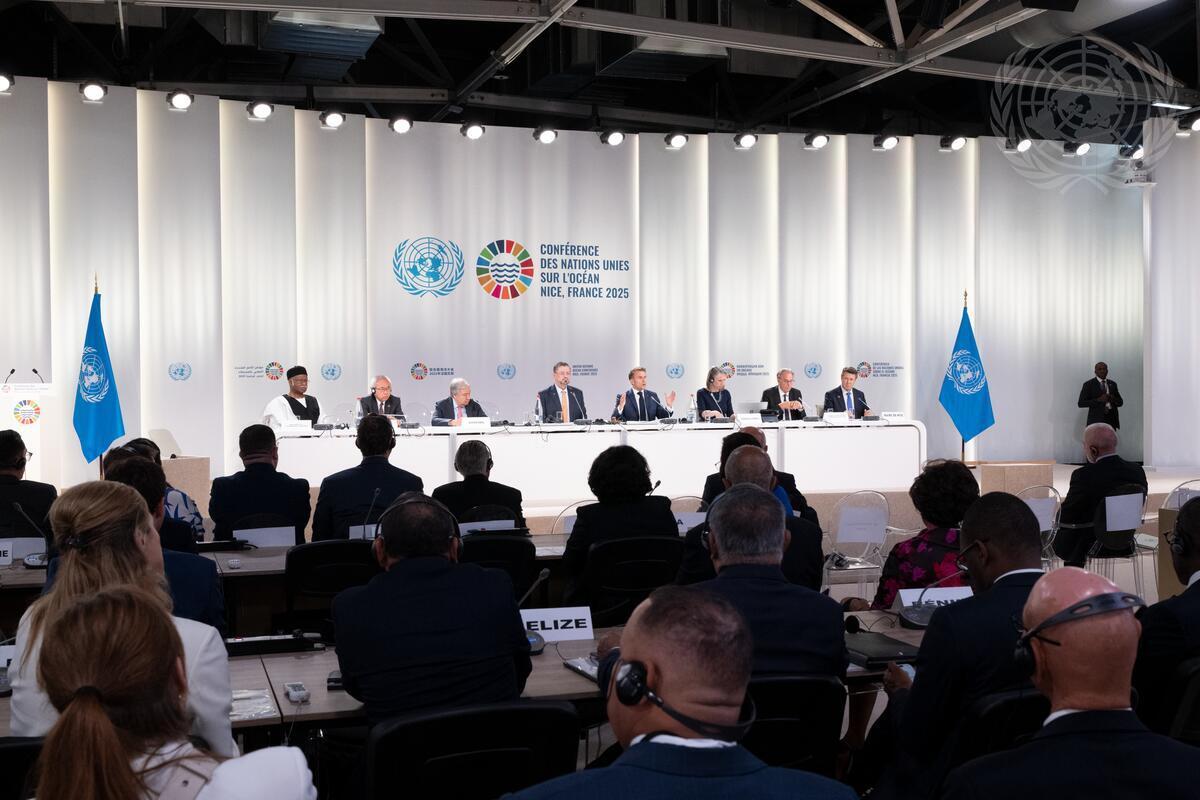
As I left Nice last month, I felt something I haven’t in a long time: true, grounded hope for the ocean.
For those of us who’ve been in this work for years – through high-level negotiations, slow-moving policy processes, and the heartbreaking drumbeat of news about damage being done to marine ecosystems – maintaining hope can be a real challenge. But at the third United Nations Ocean Conference (UNOC3), something was different. There was a tangible sense of urgency, unity, and possibility. Leaders, communities, scientists, funders, and advocates stood together with a shared understanding: the ocean is central to our future and protecting it is no longer optional, it’s essential.
The Blue Nature Alliance was proud to be part of this historic moment, working alongside partners to accelerate action and help turn words into lasting protection. Here’s what gives me hope:
ENCOURAGING PROGRESS TOWARDS 30X30 IN THE OCEAN
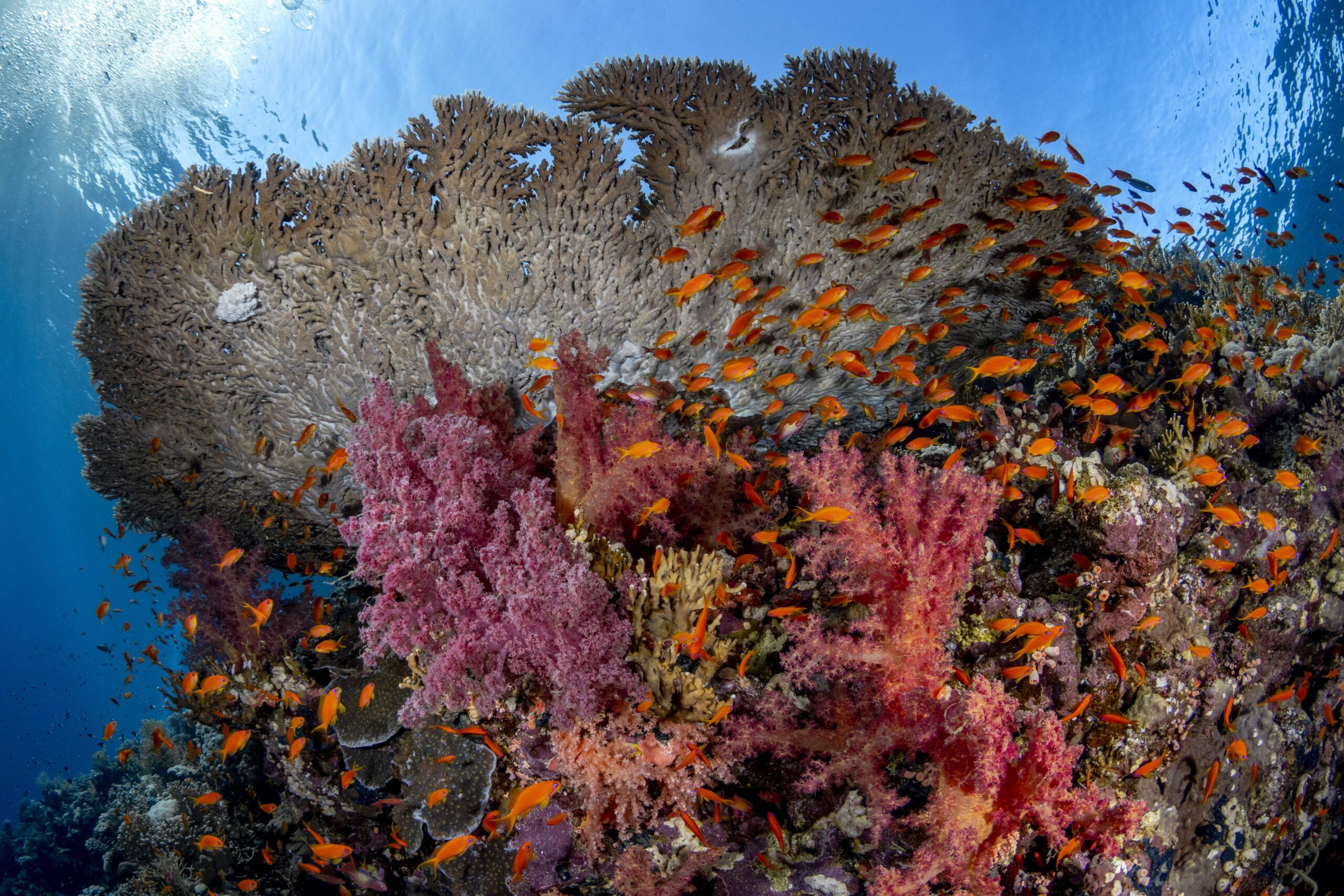
UNOC3 brought a wave of commitments that, if fully realized, will be a significant contribution to protecting at least 30% of the ocean by 2030.
French Polynesia announced protection across its entire 4.8 million km² EEZ, including 1.1 million km² under high or full protection, with more to come. Samoa safeguarded 30% of its national waters and passed legislation to ensure 100% sustainable management. Portugal announced a new 100,000 km² marine protected area around the Gorringe Seamount, and committed to fully protecting 15% of the waters around the Azores Islands. Countries including Colombia, Tanzania, São Tomé and Príncipe, Solomon Islands, Portugal, Greece, and Curaçao also stepped up with announcements on new or expanded marine protected areas, and the UK and Ghana advanced strong fisheries reforms, from bottom trawling bans to co-management models rooted in community leadership.
This wasn’t just about drawing lines on maps. These decisions reflect years of planning, deep collaboration, scientific rigor, and local leadership – what it really takes to protect the ocean.
THE HIGH SEAS TREATY INCHES CLOSER
Another reason for hope: momentum is building behind the BBNJ Agreement, also known as the High Seas Treaty. With 50 ratifications confirmed at the time of writing, the treaty is now just 10 ratifications away from entering into force and providing a legal framework for creating protected areas in the high seas. If this pace continues, the first Conference of the Parties (COP) could be held in 2026, marking a historic turning point in how we sustainably govern and protect nearly half of our planet’s surface.
A STRONG STAND ON DEEP-SEA MINING
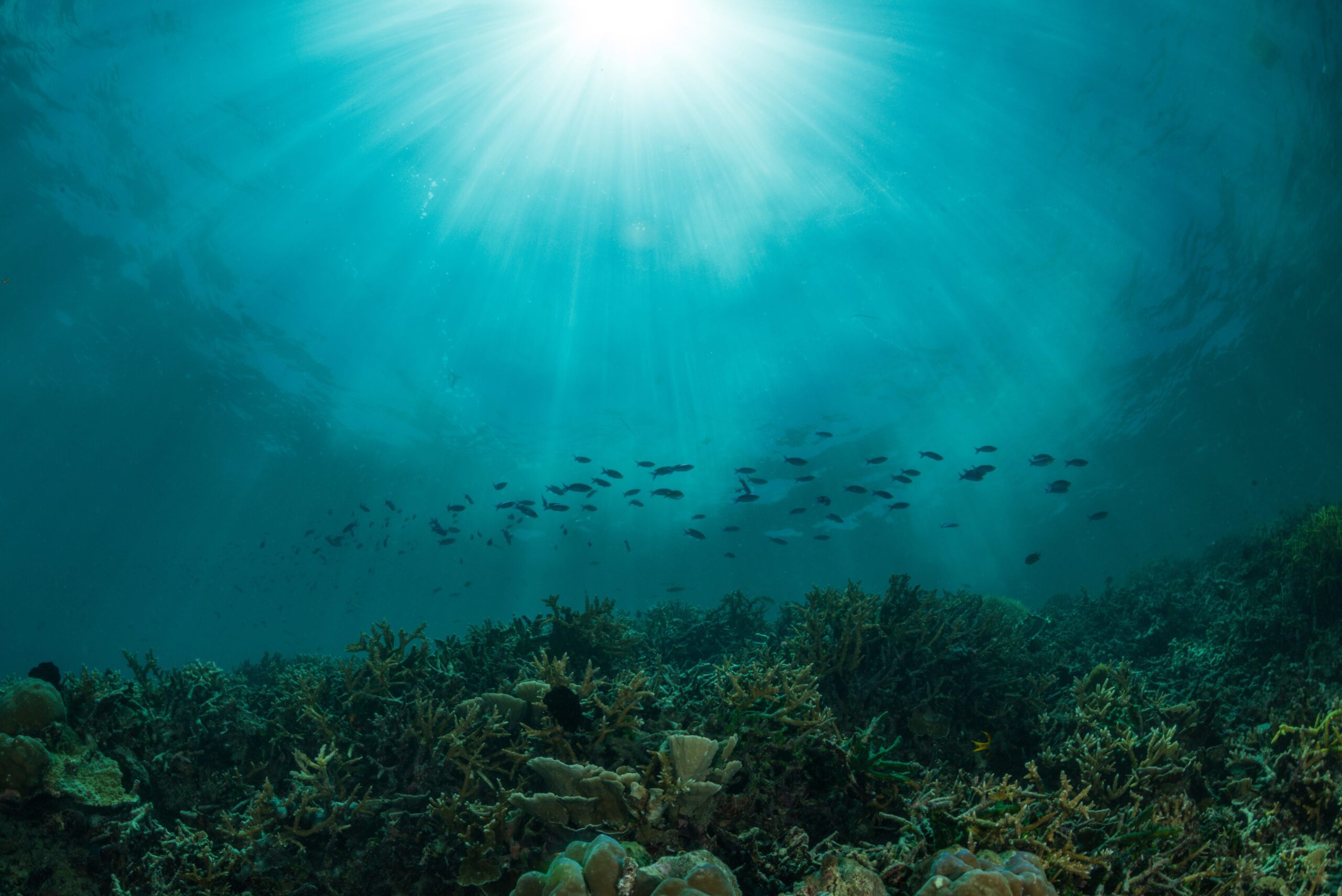
The deep ocean is one of our planet’s most mysterious and delicate ecosystems, playing a crucial role in supporting life and regulating the climate. But pressure is mounting to extract minerals through deep-sea mining, which could inflict irreversible damage on vast, little-known habitats before science can even grasp what’s at stake.
President Macron called it “madness,” and French Polynesia made it law, banning both seabed mining and bottom trawling across its waters.
New Caledonia announced a 50-year ban. By week’s end, 37 countries had called for a precautionary pause, moratorium, or full ban. This growing movement reflects a shift from exploitation to stewardship of the deep ocean.
BILLIONS COMMITED TO OCEAN ACTION
We also saw a surge in financial commitments totaling more than $9.6 billion that signal growing alignment between ocean ambition and investment. At the Blue Economy Finance Forum, $9 billion was pledged to accelerate sustainable ocean action. Germany launched a €400 million (approx. $430 million) marine conservation fund and pledged an additional €30 million (approx. $32 million) toward BBNJ implementation and the Blue Action Fund. The EU committed €40 million (approx. $43 million) to help bring the BBNJ Treaty to life. The Blue Nature Alliance is part of a $60 million funders coalition to advance high seas marine protected areas. Over $25 million was pledged to the Global Fund for Coral Reefs, Minderoo Foundation committed $10 million in partnership with Blue Nature Alliance towards securing sustainable financing for marine protected areas, $2.1 million from Norway will help tackle marine pollution in India, and Palau rallied 22 nations behind the Unlocking Blue Pacific Prosperity Plan. These numbers represent more than financial pledges – they reflect a rising tide of global resolve to invest in a healthy ocean future.
THE WORK AHEAD FOR OCEAN PROTECTION
UNOC3 left me with something I don’t take lightly: a sense of hope grounded in real progress and deep engagement, notably from Island nations.
But hope only matters if we act on it. Now is the time to follow through – to implement, enforce, and ensure that communities are at the heart of ocean protection. Here’s where we must focus our collective energy:
Turn announcements into legally binding and durable protections
Countries like French Polynesia, Portugal, and Samoa made bold announcements – but these must now be translated into robust management plans, national legislation, and on-the-water enforcement. That means defining boundaries, developing regulations, investing in compliance tools, and resourcing local agencies and communities to lead stewardship.
Immediately start protecting the High Seas
With just 10 ratifications left, a swift entry into force of the High Seas Treaty and concrete proposals for Large Scale Marine Protected Areas ready for decision by the first Conference of the Parties is urgent. Whilst urgently working to make this happen fast, nations can already protect up to 26% of the Southern Ocean or 2.6% of the global ocean by 2026 by adopting the representative network of MPAs already on the table in the Commission for the Conservation of Antarctic Marine Living Resources (CCAMLR).
Deliver on financial commitments with transparency and equity and design sustainable financing for durable impact for people and planet
The $9.6 billion in pledges is promising, but now those funds must move quickly and reach the front lines. Governments and donors must ensure sustainable financing models that generate revenues and jobs in the medium and long run and that financing mechanisms prioritize local leadership, especially for Indigenous and coastal communities, and align with national marine spatial planning, enforcement capacity, and blue economy goals. This must help create more local jobs and ensure an equitable transition to a durable model of ocean conservation.
Embed equity and justice into ocean governance
Community co-management, customary tenure, and Indigenous knowledge must be foundational to marine protection. Countries should codify these approaches into policy and equitable governance structures.
We are now at the start of this journey, not the end. Commitments from UNOC must be implemented, but we still need to see the level of ocean protection dramatically increased and a step change in the flow of finance. The Blue Nature Alliance will stay the course with countries, communities, and partners around the world – supporting implementation, ensuring accountability, and lifting up the leadership that’s already making waves. We’re not done, but we’re further than we’ve ever been. Let’s keep going, together.
Header photo credit: UN Photo/Evan Schneider

About the author
Claire is the Global Advocacy and Political Strategy Lead for the Blue Nature Alliance and will identify and develop strategies for the Alliance to capitalize on political opportunities. As a trilingual ocean lover political advocate with over 15 years’ experience in various fields, Claire brings a wealth of conservation advocacy experience. In her previous role as Head of Global Advocacy at WWF and WWF representative to the United Nations in New York, she led global advocacy strategies, WWF’s successful engagement in key negotiation processes, and was instrumental in securing a Leaders Pledge for Nature (LPN) to Reverse Biodiversity Loss by 2030 endorsed by 95 heads of state and government leveraging government coalitions to advance conservation targets. She also brings extensive experience of working in coalition building and led the development of the global civil society network of the Scaling up Nutrition Movement to span 40 countries in less than three years leading to civil society alliances for nutrition being strong advocates.