Six years left to protect 30% of the ocean
Our planet’s warning lights are flashing red. From wildfires devastating California to the ongoing record-breaking mass coral bleaching event, the pressure humanity’s activities are placing on the natural world is impossible to miss.
The impact is global, with one million species threatened by extinction and critical ecosystems at risk of collapse. As nature underpins both our health and economies, it comes as no surprise that environmental risks top the long-term threats faced by humanity.
We will not succeed in tackling our connected climate and nature crises unless we address them together. In few places is this more stark, nor the opportunity more great, than in the ocean.
Covering 70% of the planet, the global ocean was once perceived as so vast that we could not possibly damage it. We now know how wrong this idea was. Overfishing, climate change, pollution and other threats have devastated marine life in the last century. Since 1970, global marine populations have dropped by 56% on average.
Fortunately, marine protection measures have been shown to turn the tide when it comes to biodiversity loss in the ocean. When effectively protected, marine populations will not just rebound but often spill out of the protected area, providing benefits to local fishing communities. With the removal of other pressures, the resilience of marine species to the impacts of the climate crisis, such as warming ocean temperatures, is also increased.
At the same time, safeguarding marine habitats protects the ocean’s ability to act as our greatest climate ally. Coastal ecosystems such as seagrasses, salt marshes and mangroves, for example, not only provide multiple benefits to local communities, but are powerful carbon sinks relative to their size. Each year, a square meter of seagrass removes half a pound of carbon from the atmosphere – triple the rate of carbon storage of a square meter of tropical rainforest.
Recognizing the importance of protecting marine habitats, countries adopted the global goal of conserving at least 30% of the ocean by 2030 (30×30) within 2022’s landmark Kunming-Montreal Global Biodiversity Framework. Unfortunately, a Bloomberg Ocean Fund-commissioned report reveals that progress on marine protection over the past two years has all but stalled, with protection increasing by just 0.5%, to 8.3% globally.
So, with marine protection critical to both limiting global warming to 1.5C and bending the curve on biodiversity loss, what needs to happen to get us back on track to protect the ocean?
Here are the six actions we need to see from governments in the six years we have left in the decade to achieve 30×30:
1. INCREASE THE PACE AND SCALE OF MARINE PROTECTION
While the conservation community has celebrated the announcements of significant new Marine Protected Areas (MPAs) in Mexico, the Azores and Canada, we need a step change in the pace and scale of action from governments. At the current pace of designation of new marine protected areas, the world will only achieve 9.7% marine protection by 2030. Countries must protect more of their national waters, including by setting more ambitious national targets and taking action to create new protected and conserved areas, working closely with local communities and Indigenous Peoples.
The creation of new MPAs must be carefully planned with consideration of ecological conditions. Networks of MPAs should ensure adequate representation of species and ecosystems and promote connectivity.
2. RATIFY THE HIGH SEAS TREATY AND WORK TO PROTECT THE HIGH SEAS
We cannot reach 30% protection of the ocean without significant protection in the high seas – the roughly two-thirds of the ocean beyond national waters. Fortunately, in 2023 countries agreed a historic High Seas Treaty that offers a mechanism to expand protection to these vast waters. However, to use this powerful new tool the treaty must enter into force, which requires ratification by at least 60 countries.
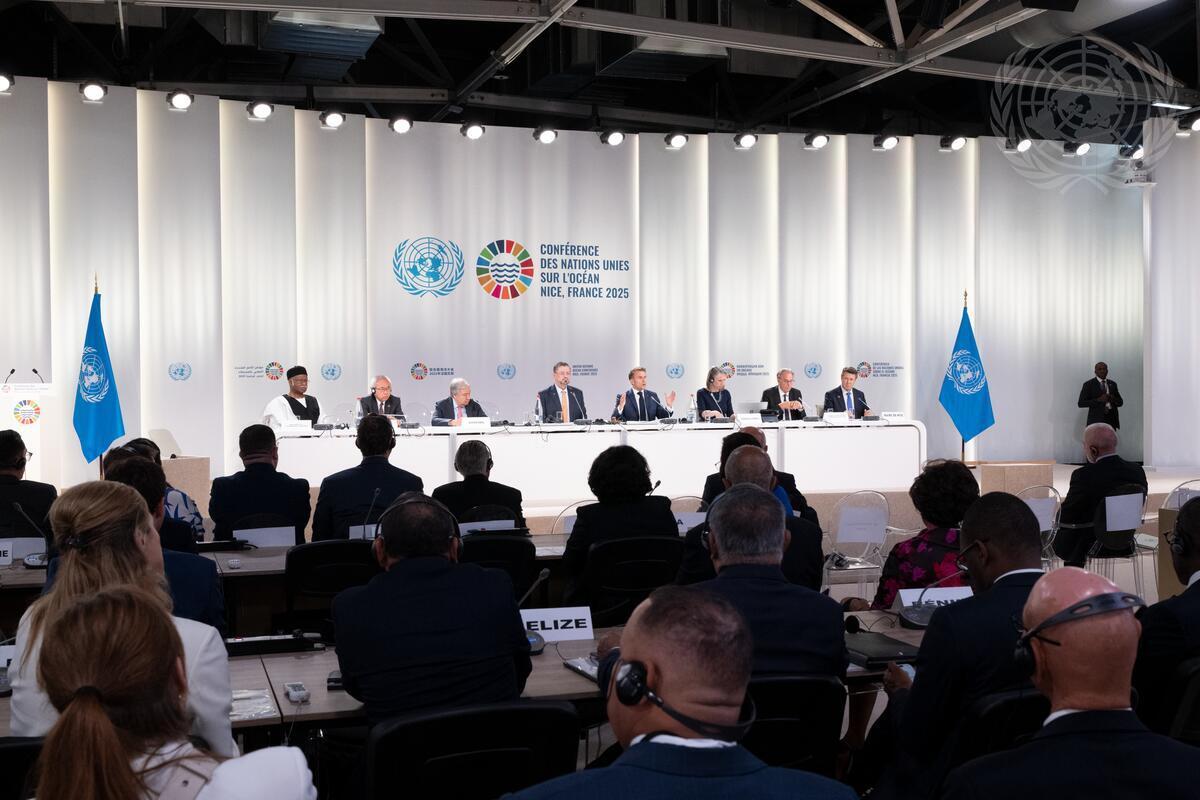
Thanks to the leadership of countries such as Chile and Belgium, and the efforts of the High Seas Alliance, there is currently real momentum toward securing the 60 ratifications by June’s UN Ocean Conference (UNOC) in France. But more needs to be done to deliver this outcome. Urgency and leadership must be ramped up, including from governments in the global North and South to achieve the remaining 45 ratifications. And with less than 2% of the high seas under protection currently, countries cannot afford to delay action. It is essential that they fast-track work to identify and develop the first generation of effective protected areas on the high seas, while investing in the necessary science and involving Indigenous Peoples, traditional knowledge holders, and local communities with ties to the high seas.
3. BIG WINS FOR THE OCEAN ARE AVAILABLE IN THE ANTARCTIC
Just as there is no path to 30% ocean protection without the high seas, it is critical that countries come together to unblock obstacles to delivering large new MPAs in the polar regions.
As the mechanism that governs marine resources in Antarctic waters, the Commission for the Conservation of Antarctic Marine Living Resources (CCAMLR) must play a critical role in securing new protections for ecosystems and species. It was deeply disappointing that nations were unable to put aside differences during CCAMLR’s meeting in October 2024 to advance various MPA proposals, but this setback does not take away from the urgency of greater protection in a region that is warming at twice the global average.
4. INCREASE THE QUALITY OF MARINE PROTECTION, INCLUDING BANNING DESTRUCTIVE ACTIVITIES LIKE BOTTOM TRAWLING IN MPAS
Simply designating an area as protected does not mean it will deliver its intended conservation outcomes and their associated benefits for local communities. To do this, the protected area must be effectively protected – meaning there is regulation and active management in place that ensure minimal to no damaging practices.
Unfortunately, many MPAs are protected in name only. It is critical that governments make effective protection a priority for expanding marine protection to achieve 30×30. The UN Ocean Conference offers an important platform for countries to show that they are serious about marine protection by announcing bans on destructive activities in their MPAs. Expect this issue to heat up further in the front half of 2025, with a growing number of NGOs actively campaigning for European nations to ban bottom trawling in their protected waters.
5. WORK IN PARTNERSHIP WITH INDIGENOUS PEOPLES AND LOCAL COMMUNITIES
Indigenous Peoples and local communities are key stakeholders and leaders in marine conservation. For many Indigenous Peoples, the ocean is a sacred element that holds profound cultural significance. Traditional knowledge and practices have helped indigenous groups act as effective stewards of marine resources for generations – from Rahui in French Polynesia to Sasi in Indonesia.
The adoption last year of a new permanent subsidiary body to the UN Convention on Biological Diversity focused on traditional knowledge was a watershed moment in the recognition of the contributions of traditional knowledge to conservation and the sustainable use of biodiversity. It must now be replicated by other multilateral environmental agreements.
For marine protection efforts to be successful in the long-term, they must both deliver for these communities and be grounded in their support, knowledge and participation. Crucially, the rights of Indigenous Peoples and local communities must underpin all marine conservation efforts. One area of particular future opportunity is the high seas, where organizations such as the Coral Reefs of the High Seas coalition are helping ensure that the Rapa Nui community and other local indigenous groups are leading the development of one of the first high seas MPAs off the coast of Chile.
6. ENSURE THE NECESSARY FINANCE REACHES THE FRONTLINE OF OCEAN CONVERSATION EFFORTS
In the Kunming-Montreal Global Biodiversity Framework, developed countries committed to deliver at least $20 billion per year to developing countries by 2025 to support their conservation efforts, and $30 billion by 2030. However, very few have been contributing their fair share to-date. This has to change – and fast.
Affordable and accessible finance is essential to deliver effective marine protection. And while each country is responsible for allocating adequate resources to manage its protected areas, greater international redistribution is essential to protect habitats we all depend on for critical services, from climate change mitigation to fisheries. Philanthropy can deliver funding to help launch conservation and protection efforts, but public donors are fundamental to reaching this global target.
The issue of finance derailed the UN biodiversity negotiations in Colombia in October last year. Countries are due to meet again next month to try and break the deadlock. With only six years left to meet our ocean and climate goals, it’s vital that they do – we don’t have a moment to waste.

About the author
Melissa Wright is a senior member of the environment team at Bloomberg Philanthropies, where she leads the Bloomberg Ocean Initiative. Launched in 2014, the initiative works to protect and restore the world’s ocean by promoting ocean conservation, protecting resilient coral reef habitats, and reducing the practice of harmful and illegal overfishing.