CBD COP16 resumed: A turning point for biodiversity?
It was a lengthy standing ovation at the closing of the Sixteenth Conference of the Parties to the Convention on Biological Diversity (CBD COP16) in Cali, Colombia. In an era of geopolitical fragmentation and financial constraints, nations reached a historic consensus to advance the implementation of the Kunming-Montreal Global Biodiversity Framework (KMGBF), a landmark agreement aimed at halting and reversing biodiversity loss across land, freshwater, and ocean ecosystems by 2030.
Key achievements included a new fund for sharing benefits from genetic data, the creation of a dedicated subsidiary body for Indigenous Peoples and local communities, and a new process to identify ecologically and biologically significant marine areas. However, with key agenda items—particularly around biodiversity finance—left unresolved, leaders faced pressure to reconvene in Rome from 25 to 27 February 2025, where the stakes were high.
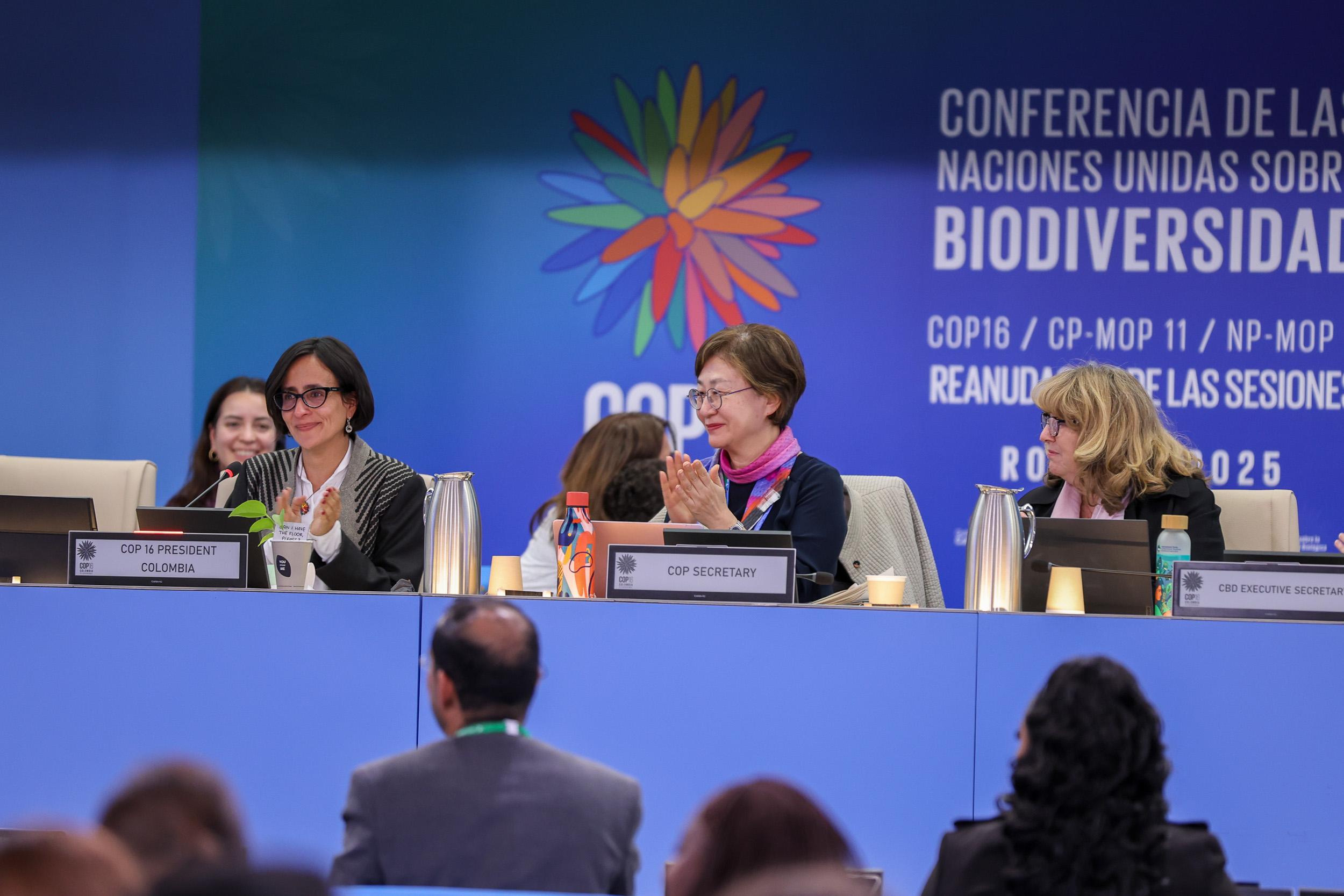
Hosted at the FAO headquarters, these latest talks focused on the missing pieces: agreeing on a funding strategy, finalizing the monitoring framework for the KMGBF, and ensuring ambitious commitments translate into real action. Despite some progress since COP15, such as the new Marine Protected Areas (MPAs) established in the Dominican Republic, Canada, Australia, Chile, and the Azores, the pace of change remains too slow.
These are my key takeaways from COP16.2:
SECURING BIODIVERSITY FINANCE: A HISTORIC AGREEMENT
One of the most significant breakthroughs in Rome was that Parties to the Convention agreed on a way forward in terms of resource mobilization with a view to close the global biodiversity finance gap and achieve the target of mobilizing at least 200 billion dollars USD a year by 2030, including at least 20 billion USD a year in international flows to the Global South by 2025, rising to 30 billion USD by 2030. This funding is essential to bridging the biodiversity financing gap and turning restoration goals into reality.
A particularly important part of this roadmap was also the agreement to convene the first ever Ministers of Environment and Ministers of Finance dialogue. This is the high-level political leadership that is necessary to drive policy change and ensure nature finance is mainstreamed. The agreement came despite financial constraints, including recent foreign-aid freezes from key biodiversity donors such as the United States and budget reductions by some European countries. However, the reality is stark: only $383 million has been pledged so far to the Global Biodiversity Framework Fund, and we need leaders to action this roadmap quickly.
The economic case for restoration is clear – every dollar invested in ecosystem restoration yields up to $30 in returns. Yet, achieving the 30×30 target (protecting at least 30% of the world’s land and ocean by 2030) requires sustained and coordinated global efforts. To this end, new financial mechanisms such as the Cali Fund have been introduced, which seek to leverage public finance, private sector contributions, philanthropic resources, and blended finance solutions. The Global Environment Facility (GEF), which has already approved over $3 billion for the KMGBF, remains central to biodiversity financing, supplemented by the newly established Global Biodiversity Framework Fund (GBFF). A significant portion of these funds will support Indigenous Peoples and local communities, recognizing their vital role in conservation.
This financial commitment signals a shift: Biodiversity funding is no longer a short-term pledge but a long-term investment in planetary health, people and wildlife – both in and out of the ocean.
STRENGTHENING ACCOUNTABILITY: MONITORING BIODIVERSITY PROGRESS
Setting ambitious targets is one thing, but ensuring measurable progress is another. COP16.2 reinforced accountability by refining the Mechanism for Planning, Monitoring, Reporting, and Review (PMRR), ensuring all countries track biodiversity progress using harmonized indicators. The newly finalised COP16 Monitoring Framework (CBD/COP/16/L.26) provides transparency and accountability, with a key objective of restoring at least 30% of degraded freshwater, marine, and terrestrial ecosystems by 2030.
The Framework for Ecosystem Restoration Monitoring (FERM) will collect global data on restoration efforts, while a structured global stocktaking process has been established for COP17 in Armenia (2026). This ensures that all, including governments, Indigenous communities, civil society, and the private sector, are aligned in their biodiversity commitments.
However, challenges remain. Nearly 75% of nations have yet to submit their National Biodiversity Strategy and Action Plans (NBSAPs) – a key requirement for tracking progress. Without urgent action, global biodiversity goals risk falling short.
A WIN FOR THE OCEAN: PROTECTING MARINE BIODIVERSITY
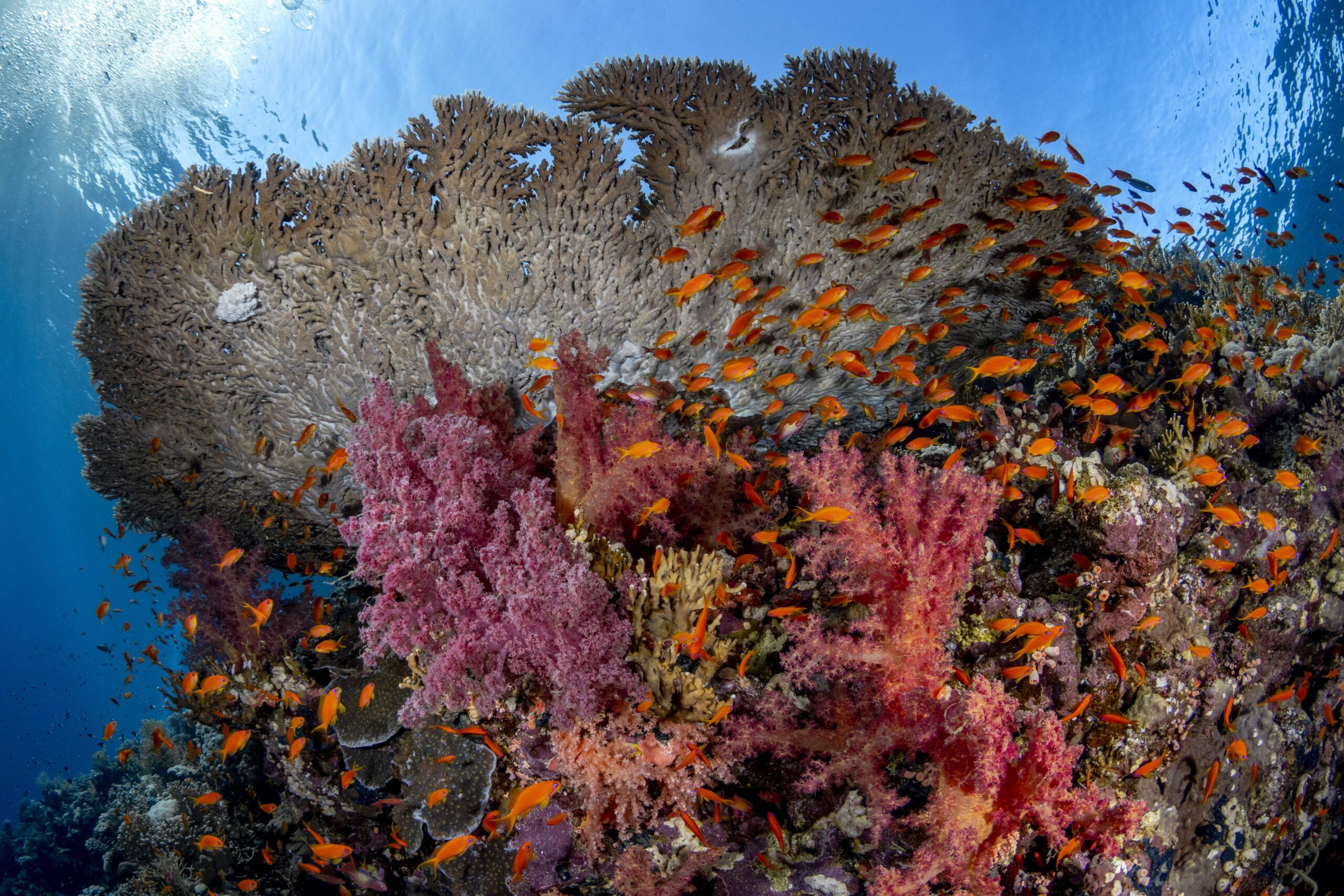
The ocean was a central focus at COP16, strengthening commitments to the 30×30 target to protect at least 30% of the ocean by 2030. Delegates agreed on greater integration between the Convention on Biological Diversity (CBD) and the High Seas Treaty, reinforcing marine biodiversity as a key pillar of global climate and conservation strategies.
A major outcome from COP16 was the creation of a new process for identifying Ecologically and Biologically Significant Marine Areas (EBSAs). This is critical for managing ocean resources, ensuring that protected marine zones are scientifically designated and effectively enforced.
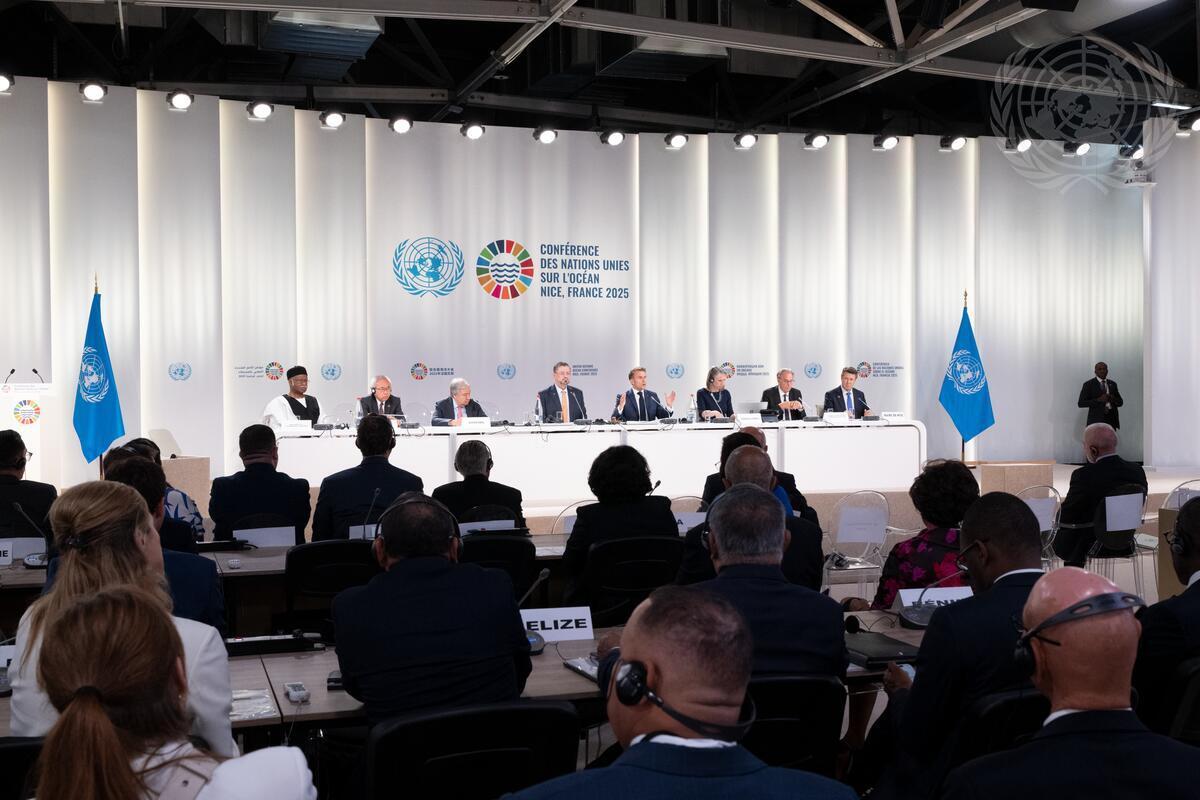
The renewed focus on marine biodiversity will directly shape dialogue at the United Nations Ocean Conference (UNOC) in Nice (June 2025) and COP30 in Belém (November 2025), building momentum for ocean biodiversity protection, particularly around blue carbon initiatives and integrated financing solutions for marine conservation.
LOOKING AHEAD: THE ROAD TO COP17 AND BEYOND
As COP16 finally concludes, there is a sense of both celebration and urgency. The conference has reaffirmed the power of multilateralism, proving that global cooperation can yield meaningful outcomes for biodiversity restoration, even in times of geopolitical tension – and I share my thanks to the negotiators and Ministers that helped make this happen.
Rome set the stage, but the real test lies ahead. With a clearer path forward on funding, restoration goals, and monitoring, the challenge now is execution. Financial commitments must translate into action, ambitious national biodiversity plans need urgent submission, and implementation must accelerate if the world is to meet 30×30 targets.
Will we see the transformation needed in time? We must hold our leaders accountable and push for tangible progress in restoring our planet’s biodiversity. Governments, businesses, and civil society must work together to turn agreements into tangible conservation impacts. Our biodiversity crisis demands nothing less, and the clock is ticking.
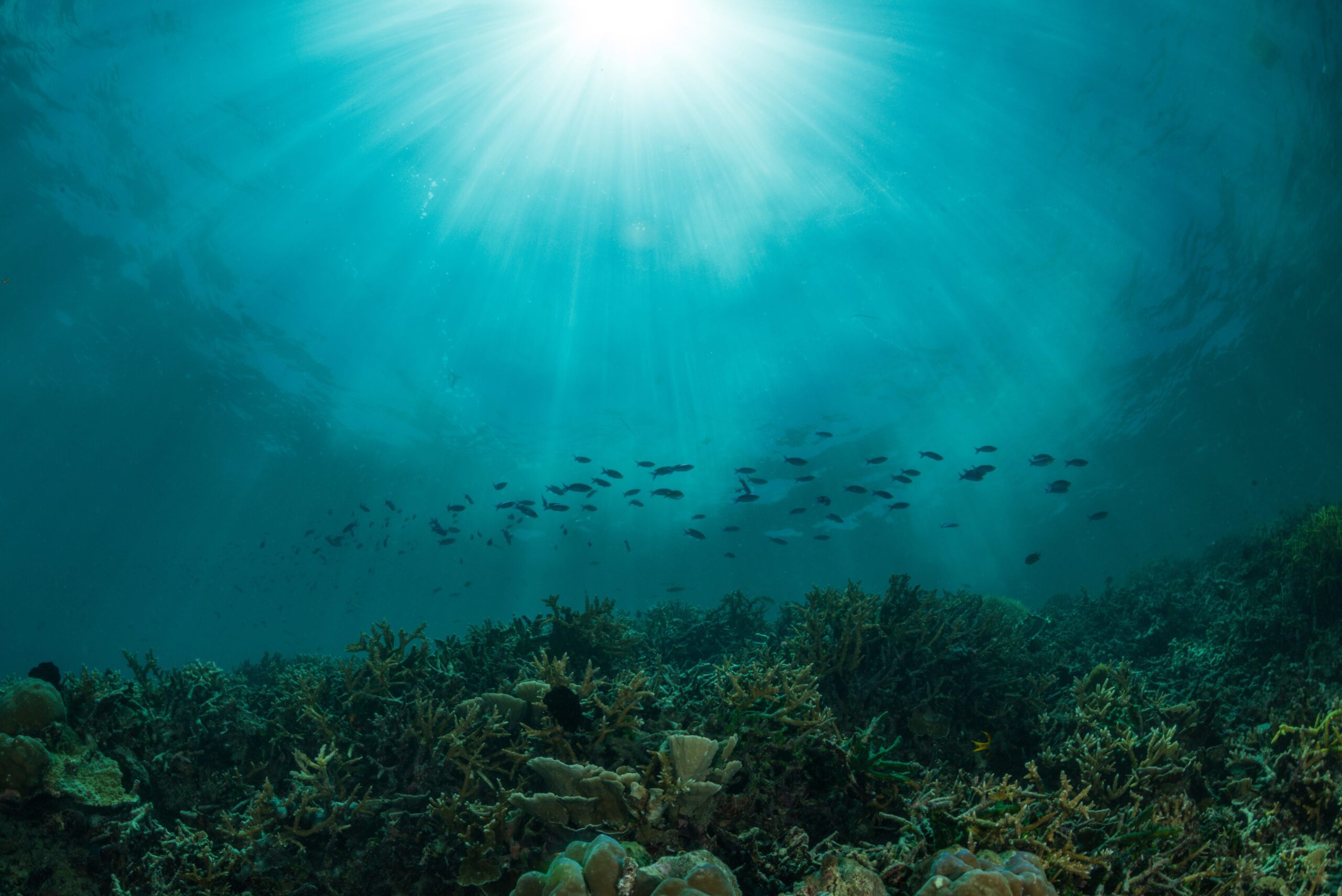
Header image credit: IISD/ENB | Mike Muzurakis

About the author
For more than two decades, Brian O’Donnell has been a leading conservationist. He is the Founder and Director of the Campaign for Nature (CfN), a global advocacy group that was instrumental in building international support for the global target of protecting and conserving at least 30% of the earth’s lands and waters by 2030, which was adopted at the Convention on Biological Diversity COP15. As part of these efforts, CfN helped establish the High Ambition Coalition for Nature and People – now the world’s largest inter-governmental body focused on 30x30. Brian continues to lead Campaign for Nature’s strategy development and drives its work to implement 30x30, significantly increase nature finance, and ensure the rights of Indigenous Peoples and Local Communities are recognised and respected in conservation efforts. In 2024, he was named as a Climate 100 leader in recognition of these efforts. From 2007 through early 2017, Brian worked as the Executive Director of the Conservation Lands Foundation. Brian Led the foundation’s efforts to protect, restore, and expand the U.S. National Conservation Lands. At CLF, Brian led a campaign that protected millions of acres of land, such as National Monuments in Nevada, California, Utah, New Mexico, and several other states. Prior to joining CLF, Brian was the National Public Lands Director for Trout Unlimited (TU). He led TU’s efforts to protect U.S. National Forest Roadless Areas, permanently protect more than a million acres in the Wyoming Range, and secure Oregon’s Copper-Salmon Wilderness. Brian also worked for The Wilderness Society, where he led campaigns resulting in the congressional designation of the Black Rock Desert and Sloan Canyon National Conservation Areas. Throughout his career, Brian has worked with Indigenous peoples and local communities to support their conservation agendas. Brian has a degree in economics from Rollins College. Brian was a member of the inaugural class of Presidential Leadership Scholars (www.presidentialleadershipscholars.org).