The high cost of bottom trawling in Europe’s protected waters – and a pragmatic, science-based solution
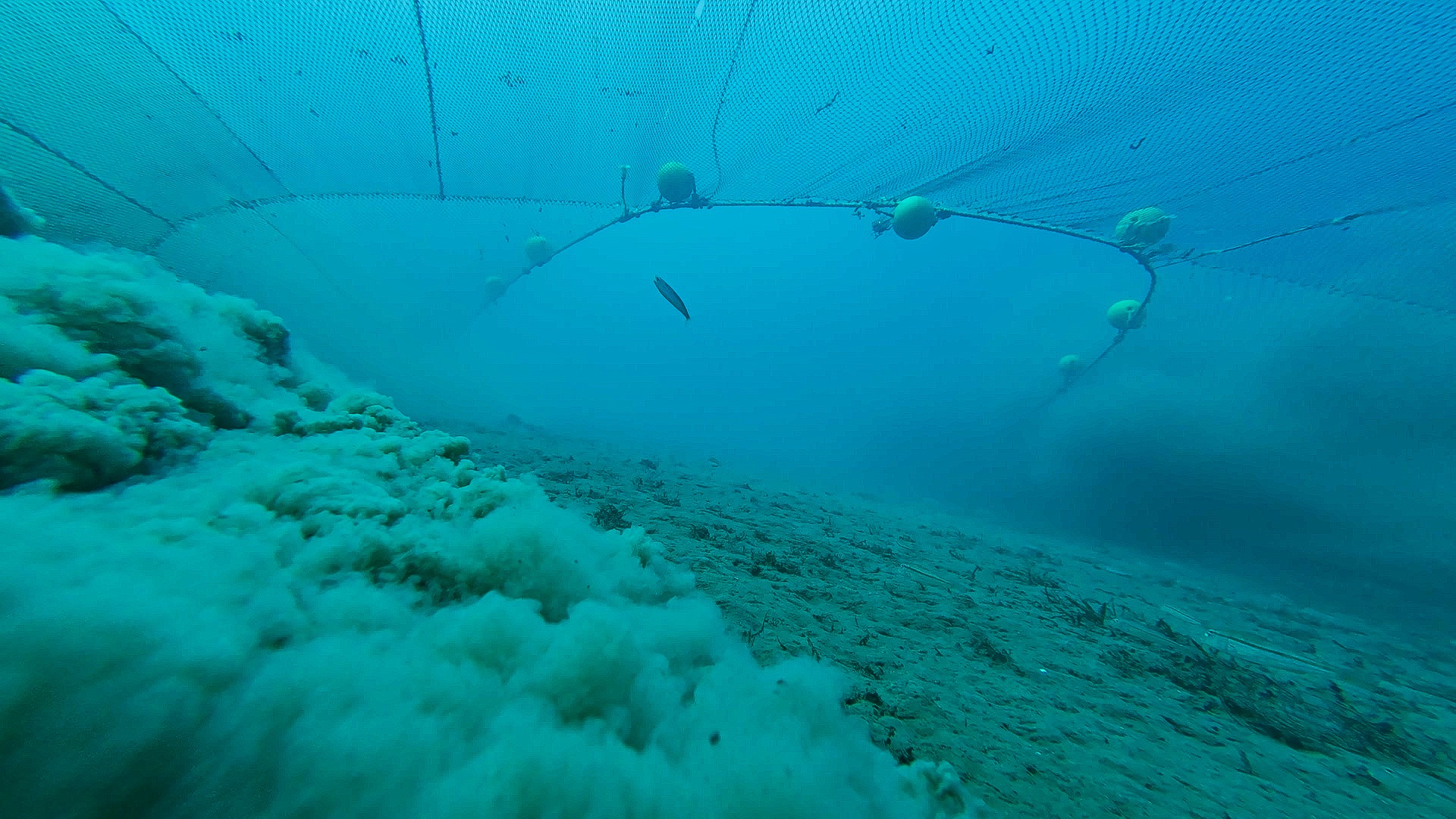
As you read this, hundreds of ships in the waters around Europe are dragging nets — some so big they could hold ten 747 jets — across the seafloor. They’re targeting marine life like cod, haddock and shrimp, but vulnerable species like sea turtles, sharks, skates and rays are getting caught up in the nets too. Depending on where the ships are operating, their heavy nets are also dragging across fragile seabed ecosystems like seagrass meadows, cold-water reefs and sponge beds. And those heavy nets are churning up carbon-rich ocean sediments and releasing carbon dioxide back into the atmosphere.
This practice is called bottom trawling, and it happens every day in European waters – even in marine protected areas (MPAs), which are supposed to be safe havens for marine life. About 12.3% of Europe’s waters are designated MPAs, but less than 1% are formally protected from industrial fishing. As a result of these loose restrictions, bottom trawling is taking place in 60% of MPAs in Europe.
While this type of fishing currently provides jobs and a source of protein for European diets, the cost it brings to society far outweighs the perceived benefits.
A DEEP DIVE INTO THE NUMBERS ON BOTTOM TRAWLING IN EUROPE
So what are the real costs and benefits of bottom trawling, and what does it mean for Europe’s MPAs? My colleagues and I were fascinated by this question, so we designed a study that would allow us to explore bottom trawling’s overall impact on society, drawing on publicly available data from 2016 to 2021.
We started by adding up the benefits of bottom trawling – the economic revenue it generates, the value of the protein caught and sold, and the value of jobs that bottom trawling offers. And then we looked at the costs: operating costs, the lost value of the fish that are discarded (“bycatch” and undersized target species), the burden on taxpayers to fund industry subsidies, and finally – the big one – the social cost of the carbon dioxide emissions associated with burning ship fuel and disturbing carbon that’s stored in the seafloor.
It’s important that we understand those costs. As it stands, European governments spend €1.2 billion every year to support bottom trawl fisheries – that’s roughly equivalent to the value of the direct employment opportunities created by the industry. Meanwhile, the discarded catches – all of those fish that are caught but never make it to market – are conservatively valued at €278 million. And the carbon cost of bottom trawling is enormous. Previous research has found that the annual carbon dioxide (CO2) emissions from bottom trawling worldwide are on the scale of those by global aviation.
When we did the full breakdown of the value of the destructive fishing practice, the imbalance between benefits and costs was noticeable: We find that the net cost of bottom trawling to European society could be as great as €11 billion annually, primarily driven by the costs of CO2 emissions released when seafloor sediment is disturbed. These emissions are exacerbating the effects of global warming, which is already exacting a heavy toll on society through rising temperatures, extreme weather events and the degradation of vital ecosystems.
A PRAGMATIC, SCIENCE-BASED SOLUTION FOR THE FUTURE OF BOTTOM TRAWLING
My colleagues and I didn’t just calculate the costs and benefits of bottom trawling – we are also charting a path forward. Our question was: how much bottom trawling effort should be reduced moving forward to maximize its benefits and minimize its costs?
These results, albeit simplistic, show that while industry may benefit under a range of scenarios, society will continue losing out. Society fares best under scenarios where bottom trawling is reduced to nearly nil because the magnitude of costs from emitted CO2 always outweigh the food provisioning and employment benefits. Some may argue that the economic value placed on CO2 emissions in the future should be lower, which we consider. Even under such a scenario, we still see gains from reducing bottom trawling effort. We find that permanently reducing bottom trawling effort in aggregate across Europe by 34% could maximize net benefits, though it’s worth noting that significant (albeit lesser) costs still accrue to society.
Because 13% of all bottom trawling effort in Europe occurs within MPAs, one possible solution is to start by banning bottom trawling in all European MPAs, though it’s crucial to make sure that effort must not be allowed to relocate elsewhere.
POLICYMAKERS MUST ACT NOW TO BAN BOTTOM TRAWLING IN MPAs
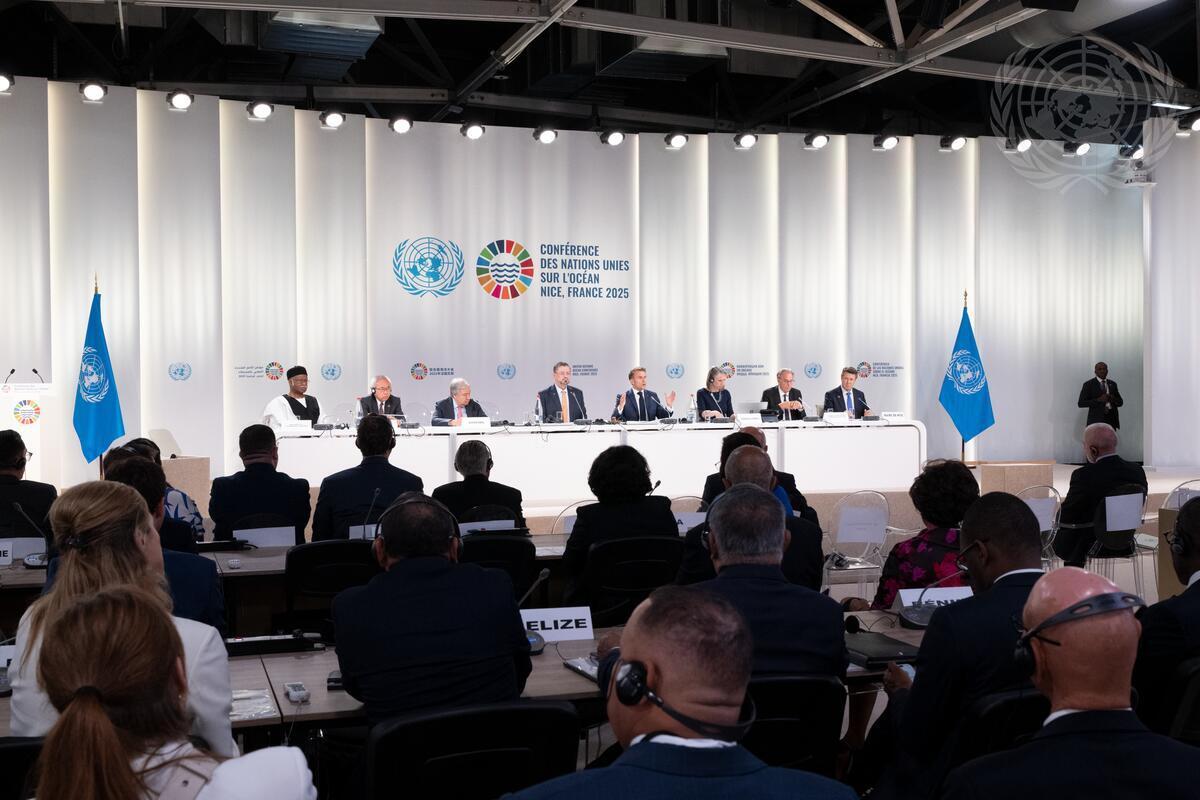
A total ban on bottom trawling in Europe’s MPAs aligns with international commitments to protect at least 30% of the ocean by 2030 (30×30). It also lines up with the European Commission’s own goal of “gradually phasing out bottom fishing in all MPAs by 2030,” as stated in its 2023 action plan to protect and restore marine ecosystems. Our research shows that, given the great costs of bottom trawling, we can’t afford to wait until the end of the decade to put an end to the practice.
Banning bottom trawling permanently in MPAs – and not relocating that fishing effort elsewhere – could help restore Europe’s overfished seas, mitigate global warming and drive a shift to more sustainable fishing practices and income for European fishers. This transition will require changes in the fishing industry, but the European Commission can help. Redirecting even a fraction of the subsidies that currently support bottom trawling in protected areas could finance a just, sustainable transition – one that supports fishers while safeguarding the ocean, the climate and European society.
Europe’s fisheries are ready for this change. Policymakers in Europe need to act now, and our research provides a clear, evidence-based roadmap of where to start. Our findings are consistent with many other studies highlighting the disproportionately large impacts of bottom trawling relative to the benefits they provide. Ending bottom trawling in European marine protected areas would be a great place to start.
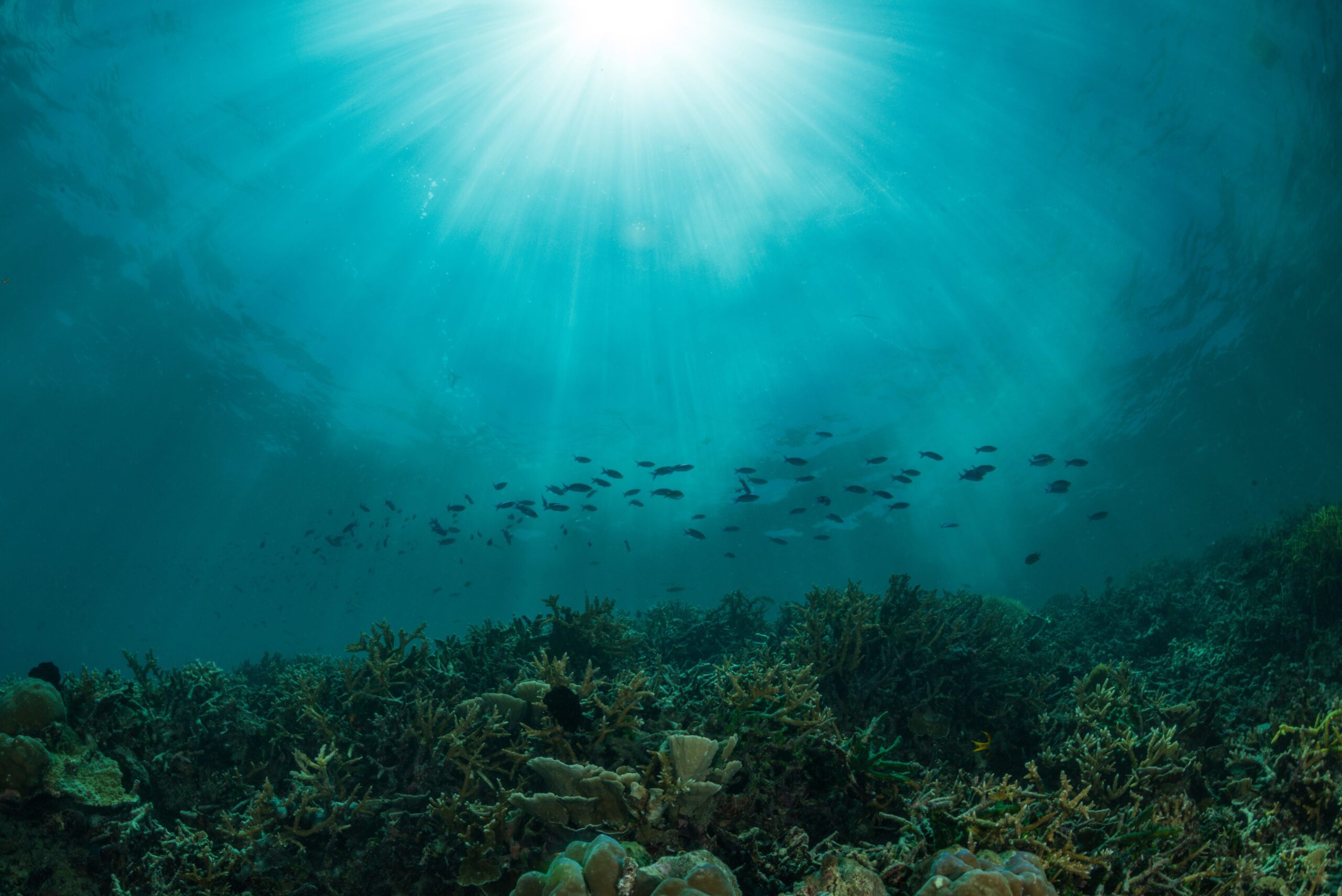
Header image credit: National Geographic Pristine Seas

About the author
Kat Millage is a marine scientist at National Geographic Pristine Seas, where she works at the interface of marine ecology, natural resource economics and data science. She has been a researcher with the Environmental Markets Lab at the University of California, Santa Barbara and a research diver, surveying kelp forests along the California coast and coral reefs in the Turks and Caicos Islands.