Protecting the Southern ocean: a key step towards achieving 30×30
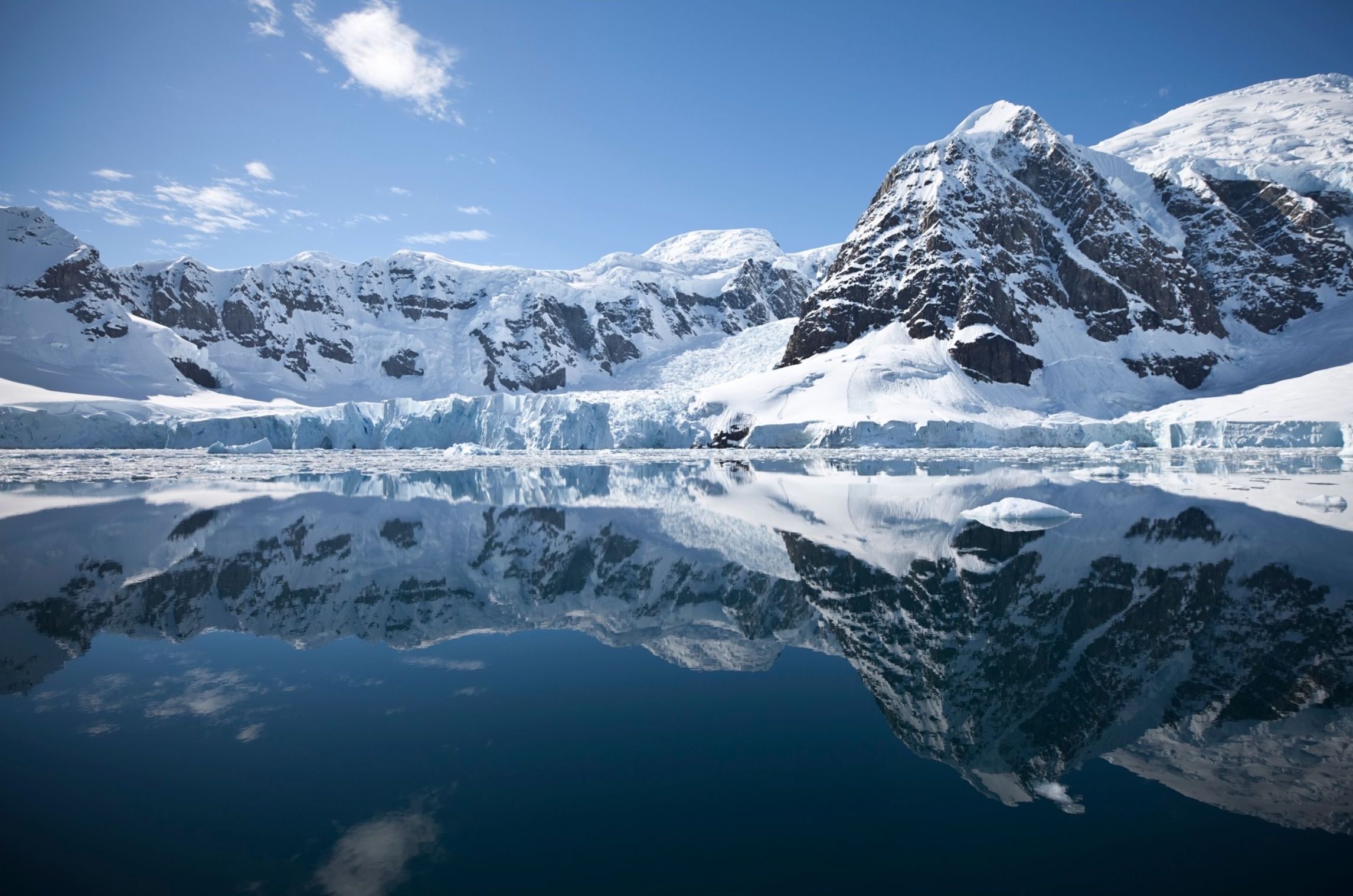
The Southern Ocean around Antarctica is the icy heartbeat of our blue planet, regulating Earth’s oxygen production, climate, and nutrient flow. As the link between the Atlantic, Pacific and Indian Oceans in the global ocean circulation system, the Southern Ocean disperses nutrients and oxygen across the globe. Additionally, Antarctica and the Southern Ocean are home to wildlife found nowhere else on Earth.
While Antarctica is often referred to as the Last Great Wilderness and is still one of the most pristine locations on the planet, it is increasingly threatened by human impacts including concentrated fishing, climate change, and tourism. Parts of Antarctica have warmed more than twice as fast as the global average in recent years. This causes accelerated sea-ice loss which negatively impacts the Antarctic ecosystem and drives sea-level rise globally. For instance, Antarctic krill, the foundation of the entire Antarctic ecosystem, are dependent on sea-ice for shelter and food, and as sea ice decreases, so does the algae growing on it which feed krill. Decreasing krill populations impact the entire Antarctic ecosystem – nearly everything in Antarctica eats krill or eats something that eats krill. Moreover, Antarctic krill sequester a massive amount of carbon, roughly 12 billion tonnes of carbon annually. We are quickly reaching devastating tipping points in the region and the need for international climate and biodiversity action is essential.
30X30 IN THE SOUTHERN OCEAN
The Commission for the Conservation of Antarctic Marine Living Resources (CCAMLR) is the governance body with the mandate to conserve Antarctic marine life. CCAMLR also has the unique authority to create high seas marine protected areas (MPAs) in the Southern Ocean. In fact, 7% of the Southern Ocean is already protected through nationally designated MPAs, with an additional 6% covered by two high seas MPAs – the South Orkney Islands Southern Shelf MPA and the Ross Sea Region MPA. The South Orkney Islands Southern Shelf MPA was designated in 2009-2010, covers roughly 95,000 square kilometers, and was the world’s first high seas MPA. The Ross Sea Region MPA was designated in 2016, covers roughly 2 million square kilometers, and is the world’s largest MPA.
Moreover, four additional MPAs covering 13% (4.6M km²) of the Southern Ocean are under consideration by CCAMLR. These include the Antarctic Peninsula, East Antarctic, and Weddell Sea (Phase I & II) MPAs. If CCAMLR were to adopt these four MPA proposals, roughly 26% of the Southern Ocean (2.6% of the global ocean) would be protected. This would be the largest act of ocean conservation in history and would represent a major step toward fulfilling several key international environmental pledges, such as the Kunming-Montreal Global Biodiversity Framework’s 30×30 target, which aims to protect at least 30% of the ocean by 2030. In fact, with an additional MPA in the currently unprotected Domain 9 region, CCAMLR could protect 30% of the Southern Ocean by 2030!
Unfortunately, since the designation of the Ross Sea Region MPA in 2016, the members of CCAMLR have failed to reach consensus on new MPA designations. This is in spite of their 2009 commitment to support the establishment of a representative network of MPAs in the CCAMLR region. Complex geopolitics and an increased appetite for fishing and marine resource exploitation have paralyzed CCAMLR in recent years, slowing progress on their commitment to conservation and jeopardizing progress on the agreed representative system of MPAs in the Southern Ocean. The Southern Ocean makes up roughly 10% of the global ocean, so without progress on Antarctic MPAs, the global path to 30×30 is a difficult one.
WHAT’S AT STAKE IN THE SOUTHERN OCEAN
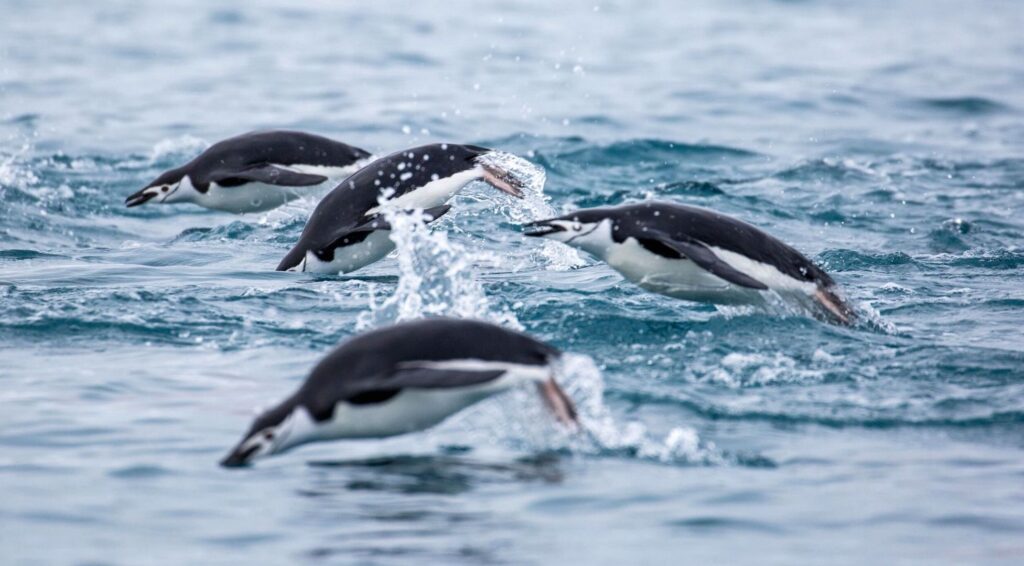
Antarctic Peninsula (Domain 1): The proposed Domain 1 MPA is designed to safeguard vital foraging habitats for Antarctic predators. Each summer, whales migrate to their feeding grounds in the Antarctic Peninsula region, navigating through ice-strewn harbors. Seals find respite on ice floes, while penguins gather on rocky beaches for nesting, breeding, feeding, and molting. The accessibility of the Antarctic Peninsula has led to an increase in human activity, with tourists, fishing vessels, and scientists visiting the region in growing numbers. Moreover, the ecosystem faces additional significant challenges such as rising sea temperatures, changing ocean chemistry, and shifts in winter sea ice, resulting in cascading ecosystem impacts.
Weddell Sea Phase 1 and 2: The Weddell Sea is undergoing rapid changes. Studies reveal that certain areas of the Weddell Sea are experiencing ocean warming at a rate five times faster than other regions at similar depths. This warmer and windier weather is impacting sea ice and various marine habitats, creating pressure on delicately balanced ecosystems to rapidly adapt.
Within the two Weddell Sea MPA proposals lie areas of known biological and oceanographic importance, including the Maud Rise. The proposals also encompass some of the most pristine natural regions in the world, with connective oceanographic pathways that transport nutrients and species’ larvae to support ecosystems both within and beyond the MPA boundaries.
East Antarctic: The proposed East Antarctic MPA aims to protect representative areas of open ocean and seabed biodiversity in East Antarctica, including several recognized Important Bird Areas. The proposed MPA spans known foraging grounds for seals and penguins, which breed and molt on Antarctic ice and land, and rely on nearby food sources. Beneath the surface, unique habitats including cold-water reefs, seamounts and vulnerable seafloor areas support unique living communities in the frigid, oxygen-rich water.
WHAT’S NEXT? IT’S TIME TO ACT FOR THE OCEAN
The Antarctic Treaty was adopted at the height of the Cold War, while geopolitical tensions were at an all time high. And yet, Antarctica remains the only continent in the world dedicated to peace, scientific exploration, and collaboration. If our leaders are to keep their commitment to protecting at least 30% of the planet by 2030, they should start in the Southern Ocean. By adopting the existing MPA proposals, CCAMLR could ensure that 2.6% of the global ocean is protected.
The waters of the Southern Ocean are vital to the health of the planet, producing currents that carry essential nutrients north of the equator, and like the rest of the ocean, regulating the global climate. What happens in Antarctica, does not stay in Antarctica.

About the author
Holly Parker Curry is the Marine Protected Areas Campaign Director at the Antarctic and Southern Ocean Coalition (ASOC). For more than 45 years, ASOC has been the leading voice for responsibly managing human activities that threaten Antarctica and the Southern Ocean. As the only environmental NGO invited to observe Antarctic Treaty System meetings, ASOC works at the highest levels of Antarctic governance to effect change from within.