Enabling 30×30 In The Ocean: From Local Action to Global Impact
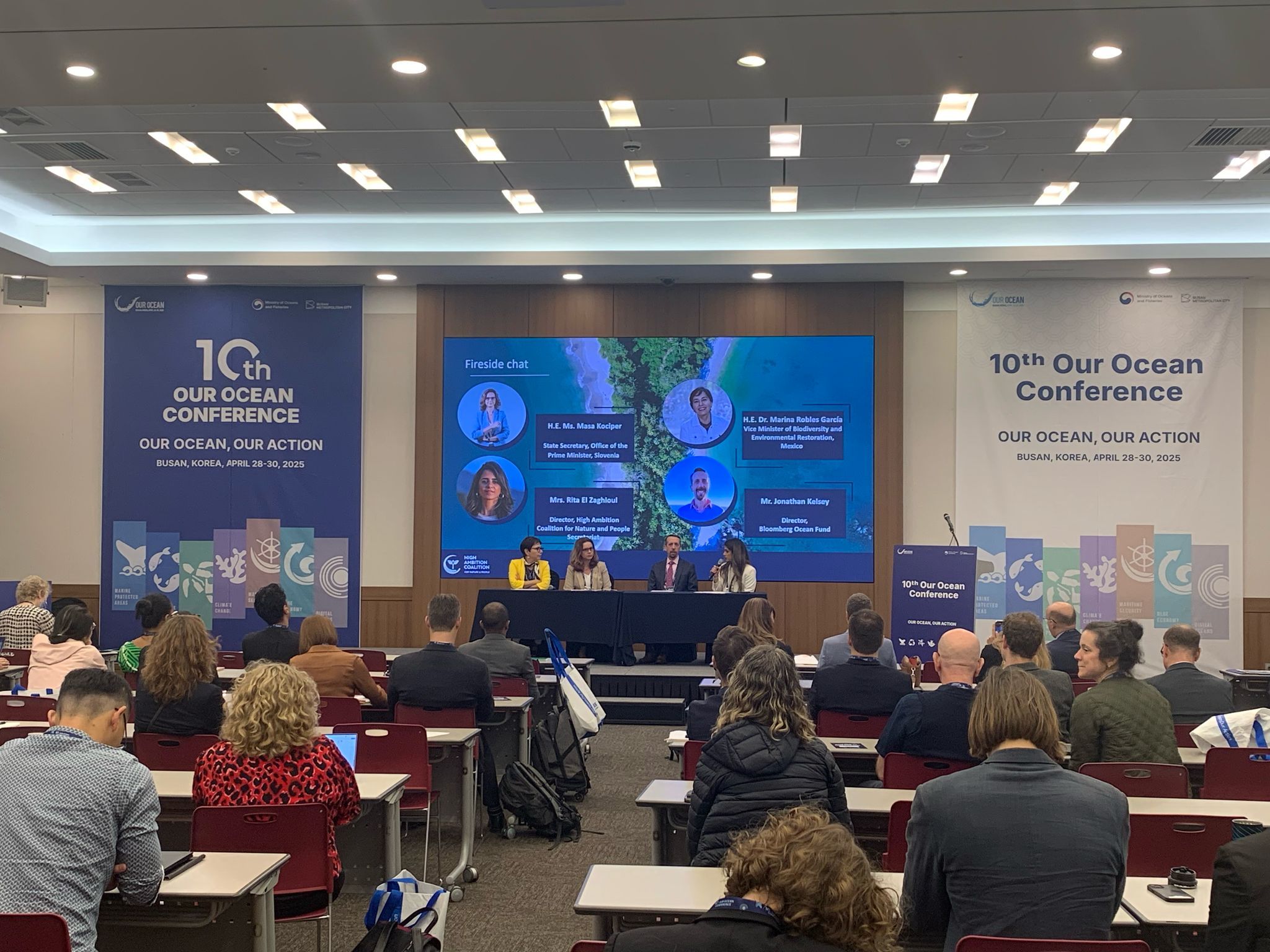
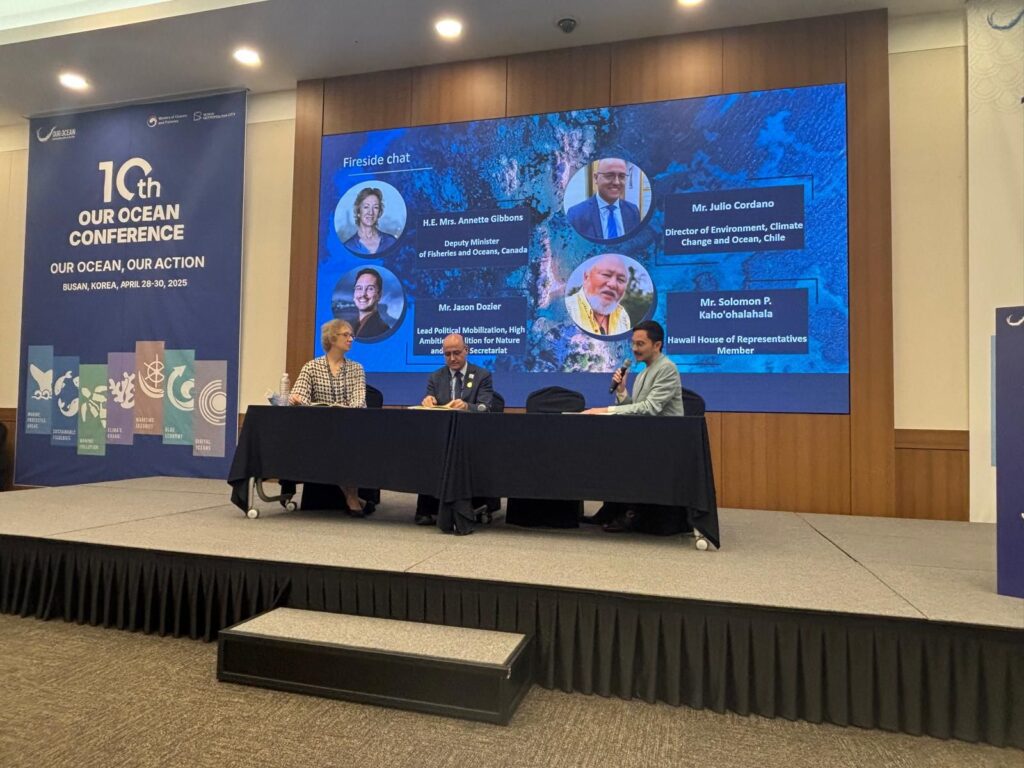
At the recent Our Ocean Conference (OOC10) in Busan, Republic of Korea, the High Ambition Coalition for Nature and People (HAC for N&P) Secretariat hosted a side event titled “How to Bridge the Gap Between 8% and 30% to Achieve the 30% Ocean Conservation Target?”. This timely gathering arrived as the global community races to meet the 30×30 goal – protecting at least 30% of the ocean by 2030.
With only around 8% of the ocean currently under some form of protection, the event served as a clarion call to accelerate political commitment, technical support, and collaborative action to close the ocean conservation gap. The side event was followed by a dynamic fireside chat format featuring a lineup of ocean conservation Champions – leaders from across the globe who have demonstrated exemplary action in marine protection. These Champions tackled five core themes essential to achieving 30×30: the expansion of marine protected areas (MPAs), improving connectivity, strengthening management effectiveness, regional and transboundary cooperation and empowering Indigenous Peoples and local communities (IPLCs).
MOBILIZING POLITICAL LEADERSHIP AND TECHNICAL COLLABORATION
The HAC for N&P plays a catalytic role in uniting countries with a shared ambition to protect nature. At the event, a key element of the discussion was the importance of both political leadership and technical collaboration. While the political will to expand marine protection has been growing, many countries – especially developing coastal and island nations – face practical barriers in scaling up marine conservation.
In the words of Costa Rican Minister H. E Mr. Arnoldo André Tinoco, “bold, inclusive and ambitious action must remain our compass. We must not be content with merely expanding marine areas on paper. We need to make sure they are effectively managed, and support local livelihoods and coastal communities.”
Recognizing this, the HAC for N&P’s Rapid Deployment Mechanism (RDM) was unveiled at the event. The RDM aims to ensure that countries, particularly those with limited financial resources, can access swift and effective support needed to implement 30×30 initiatives via seed funding, and there is now a call for applications. The funding will be available to HAC for N&P members from developing states committed to but not limited to, accelerating the creation and effective management of MPAs and Other Effective Area-based Conservation Measures (OECMs).
A FIRESIDE CHAT WITH GLOBAL OCEAN CHAMPIONS
The fireside chat brought together distinguished Champions H.E. Ms. Maca Kociper, State Secretary Office of the Prime Minister of Slovenia, Mr. Jonathan Kelsey, Director of the Bloomberg Ocean Fund, Dr. Marina Robles García, Vice-Minister of Biodiversity and Environmental Restoration, Mexico H.E, Mrs. Annette Gibbons, Deputy Minister of Fisheries and Oceans of Canada and Ambassador Julio Cordano, Director of Environment, Climate Change and Oceans of the Ministry of Foreign Affairs – leaders who have successfully implemented or advocated for effective ocean protections in their regions.
Through an informal and engaging format, the panelists reflected on tangible lessons from the field, showcasing innovative strategies, policy breakthroughs, and community-led solutions that have yielded real impact.
A crucial and interesting insight from Ambassador Julio Cordano was that Chile has been able to build a set of MPAs in its jurisdictional waters, and approximately 43% is now under some level of protection. The current debate in Chile is whether objectives should focus on expanding this further or centralizing efforts on implementing effective measures in existing protected areas. Cordano also noted that greater clarity is needed across the board to ensure legitimacy in protection measures.
Dr. Marina Robles García also underlined that “we need to not only protect, but restore.” García explained that protection is crucial, but restoring what has been damaged will also accelerate progress for 30×30. To this effect, Mexican ocean conservation measures are now being shaped in collaboration with local communities to ensure the effective restoration of both ecosystems and livelihoods for generations to come.
CROSS-CUTTING OCEAN SOLUTIONS
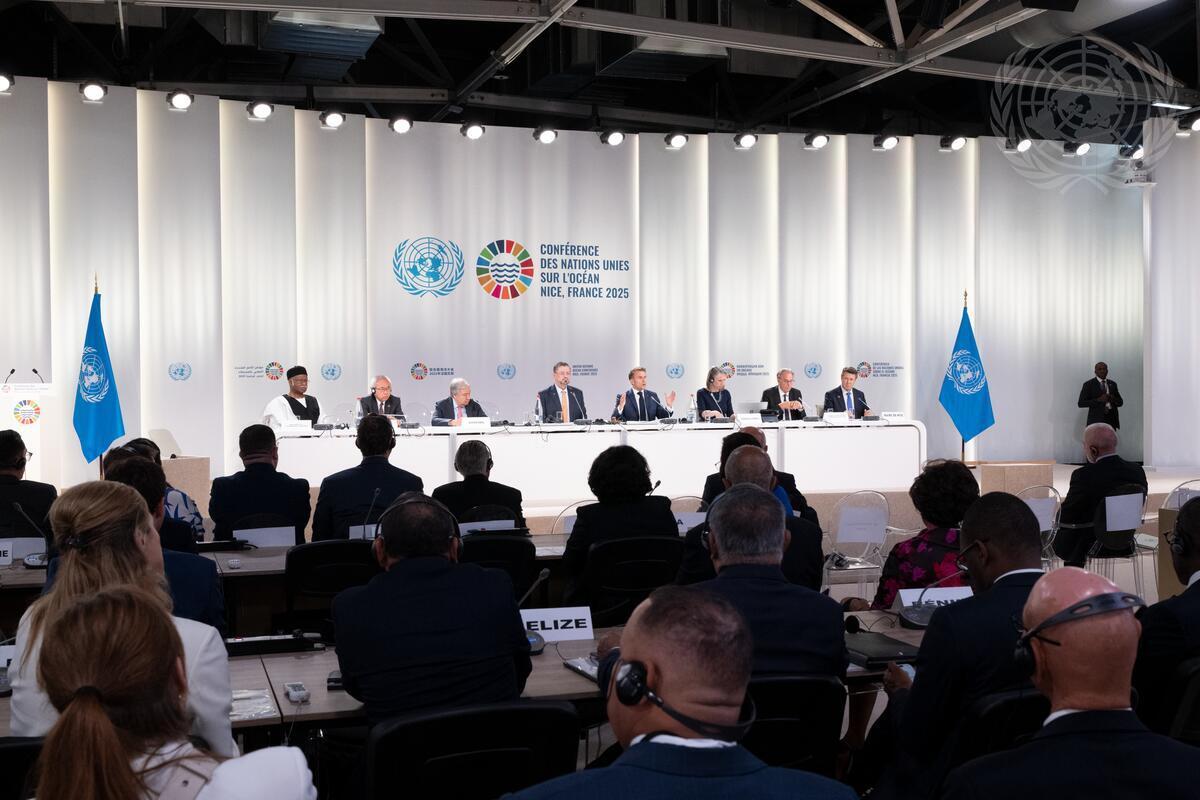
OOC10 side events like this were designed to be more than just a conversation – they are a launchpad for accelerating national implementation strategies and galvanizing regional cooperation, particularly in this crucial year with the United Nations Ocean Conference (UNOC3) in France and COP30 in Brazil. By spotlighting country-level success stories, the event aimed to inspire the replication and scaling of proven approaches. The presence of Champions also reinforced the message that success is possible and already happening in diverse geographic and socio-economic contexts – we now need to work together to scale global impact. As stated by John Kerry, Former U.S. Secretary of State, “we need to be angry about what is going on. Conferences are great to build momentum, but we need to come out of this meeting and raise ambition and hold people accountable for what they promised to do.”
Notably, the event emphasized the importance of cross-cutting solutions, such as innovative financing mechanisms, co-managed conservation areas, and the integration of climate resilience into ocean policy. These approaches are increasingly seen as essential to moving beyond incremental change and towards transformative impact.
A CALL TO ACTION, FOR THE OCEAN
As the world edges closer to the 2030 deadline, the Our Ocean Conference offered a crucial moment for reflection and redirection ahead of UNOC3. We are now living in a time when urgency must be matched with coordination and support. Protecting at least 30% of the ocean by 2030 is not just a symbolic target; it’s a scientific necessity to sustain biodiversity, mitigate climate change, and ensure food security for billions.
The message from the HAC for N&P is clear: political ambition must now be matched with action on the ground, in the water and within communities.And to succeed, this action must be inclusive, informed, and international. With the RDM launch, more countries will be able to find the resources to accelerate their 30×30 implementation plans.
Whether you are a policymaker, conservationist, researcher, or member of a coastal community, you are invited to be part of a global effort to secure a healthy, productive ocean for generations to come. Together, by bridging the gap between 8% and 30%, we can chart a new course for the ocean.

About the author
Rita Maria el Zaghloul is the Director, of the High Ambition Coalition for Nature & People Secretariat. Rita has over a decade of experience in diplomacy and multilateralism. She served for 4 years as Minister Counsellor at the Permanent Mission of Costa Rica to the United Nations, acting as lead diplomat and negotiator for Peace and Security, sustainable development, climate change and nutrition issues. At the United Nations, Rita led the process of the proclamation of the Decade of Family Farming, co-chaired the Special Committee of Peacekeeping Operations for 2 consecutive years and chaired the Committee on Information amongst others. Rita has also served as Coordinator and Costa Rica’s focal point for the High Ambition Coalition for Nature & People during which she oversaw the coalition's growth from 5 to 118 members in 3 years with the support of the HAC co-chairs. The coalition was crucial to adopting the Global Biodiversity Framework and in particular, led on the 30by30 Target. Rita holds a degree in International Relations from the National University of Costa Rica and a Master's degree in Conflict, Security, and Development from King’s College London. A dual citizen from Costa Rica and Lebanon, she is fluent in Arabic, Spanish, French, and English with basic proficiency in Portuguese.