Why we need an urgent bottom trawling ban across all protected waters in the UK and EU
Everyday, beneath the ocean’s surface, huge fishing nets are bulldozing their way across the seabed, wiping out everything in their path.
What sounds like a dystopian fantasy is very much real: it’s called bottom trawling, and it’s happening in so-called marine ‘protected’ areas all across Europe and the UK. If we are serious about restoring a thriving ocean protection and meeting global agreements like the Global Biodiversity Framework, including the commitment to protect at least 30% of the ocean by 2030 (30×30), we must ensure that our marine wildlife has safe havens protected against such destruction.
WHAT IS BOTTOM TRAWLING?
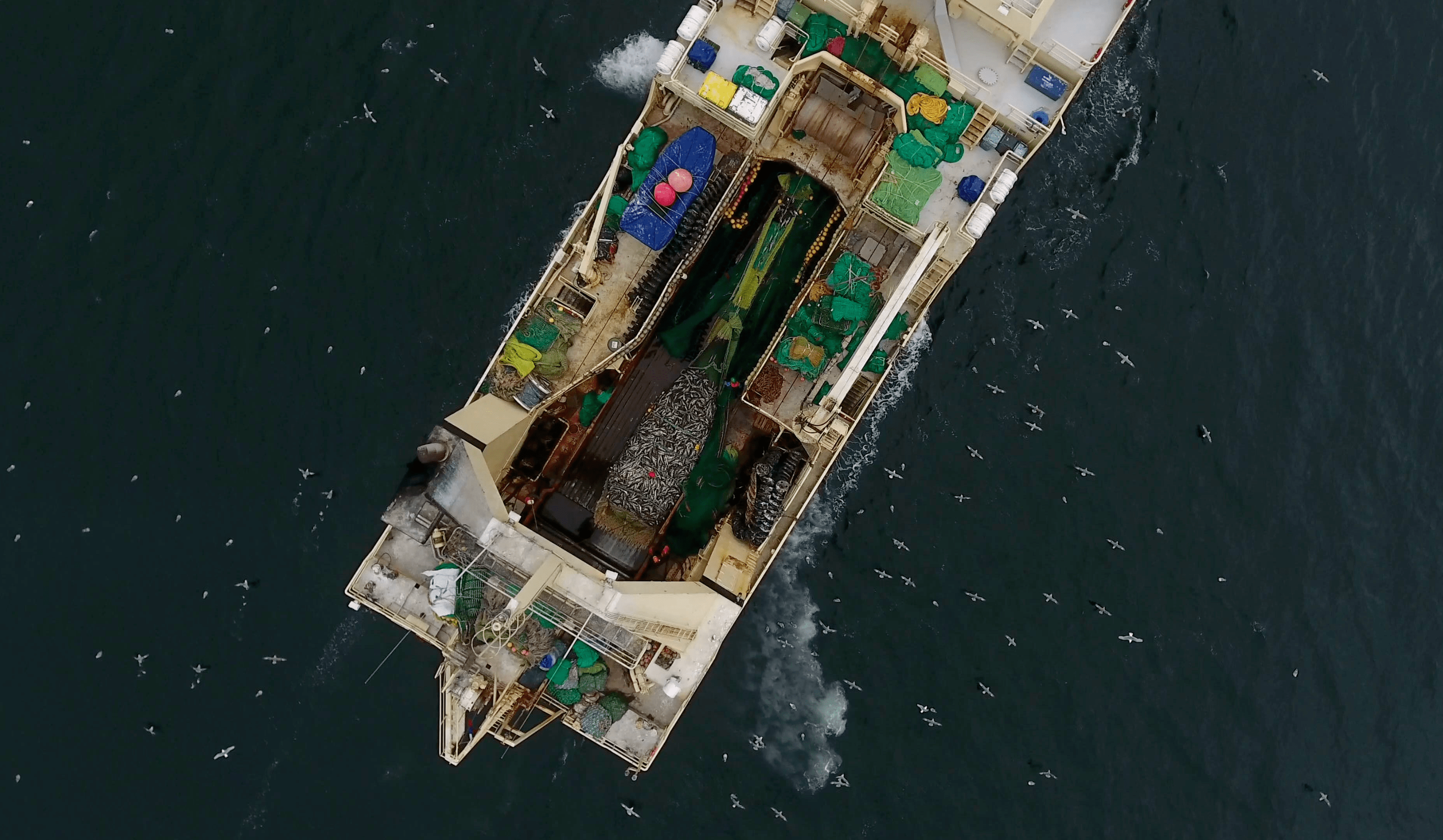
Bottom trawling is an industrial fishing method in which heavy nets, some as large as football fields, are dragged along the ocean floor, scraping up everything in their wake – fish, corals, marine mammals, and entire ecosystems. It’s the underwater equivalent of clear-felling rainforests but, because it happens out of sight, its destruction remains invisible to most people.
Across the UK and Europe, this practice is wreaking havoc. In 2023 alone, bottom trawlers spent over 33,000 hours fishing in the UK’s offshore marine protected areas (MPAs) and an Oceana study found that destructive fishing, including bottom trawling, affects 86% of the area designated under Natura 2000 to protect marine habitats. These areas should be safe havens for marine life where corals, crabs, dolphins, whales, and all life can recover and flourish. Instead, most of Europe’s MPAs are just ‘paper parks’, marked on the map by governments but offering little real protection against destructive activities.
What’s more, bottom trawling is accelerating climate breakdown. As well as the fossil fuels used to power the vessels, when trawl nets scrape the seabed, they can disturb the carbon stored in marine sediments, sometimes releasing plumes of carbon-rich particles so large that they can be seen from space. Every time a net drags across the ocean floor, it’s fuelling global heating and ocean acidification.
The future of coastal communities is also threatened by bottom trawling. Industrial fleets using this method indiscriminately kill millions of sea creatures, depleting fish populations at an unsustainable and alarming rate. Every year, millions of tonnes of fish are discarded as unwanted bycatch. In fact, up to 92% of all recorded fishing discards in the EU come from bottom trawlers. By reducing fish diversity, abundance, and size, bottom trawling in Europe undermines the success of fisheries, leaving small-scale fishers struggling to make a living.
THE WIN-WIN CASE FOR A BOTTOM TRAWLING BAN IN MPAs
Across the UK and Europe, the ocean is facing a silent crisis. In a single pass, bottom trawling can destroy ecosystems that took centuries to form, but recovery can take decades. Without urgent intervention, vital marine habitats will continue to collapse, leading to irreversible nature loss.
But there is hope: when bottom trawling is banned, fish populations bounce back. In areas where destructive fishing has been phased out, fish stocks have recovered rapidly, leading to better catches for small-scale, low-impact fishers.
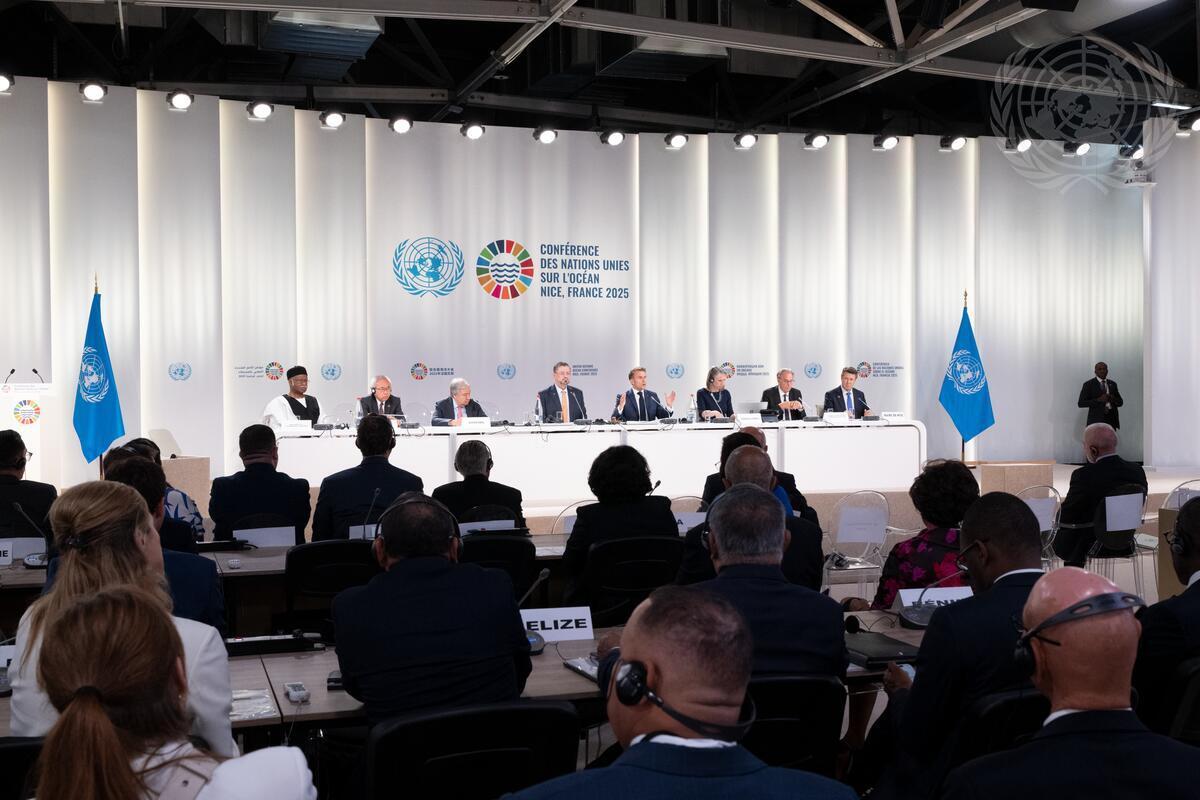
As we speak, the tide is turning. Greece and Sweden have already started on a path to banning this practice once and for all from their marine protected areas, and the UK is showing signs of extending trawl bans. With the UN Ocean Conference taking place this summer, all eyes will be on governments to effectively remove this destruction from their protected waters.
Banning bottom trawling in MPAs makes economic sense. Phasing out this practice could generate billions in economic benefits over time, research shows. One study found that within 13 years of banning bottom trawling, every €1 spent on the transition would generate a return of €3.41 – delivering a net gain of more than €7 billion over two decades.
Some coastal regions have already proven that sustainable fishing methods are more profitable. In Öresund, a stretch of water between Sweden and Denmark where bottom trawling is banned, the landing price of cod – determined by size and quality – is double that of nearby areas where trawling is still allowed. Healthier fish stocks mean higher-quality seafood, benefiting fishers and consumers alike.
The UK and EU have the opportunity to lead in ocean protection, ensuring long-term livelihoods for coastal communities instead of short-term profits for industrial fleets. If we want a fishing industry that is both sustainable and economically viable in the long term, bottom trawling in MPAs must go.
WHAT NEEDS TO HAPPEN TO BAN BOTTOM TRAWLING IN MPAs
The science is clear and the economic benefits are undeniable. Public demand for ocean conservation is growing but now we need politicians to catch on and take action. Governments must take bold steps to phase out this barbaric practice from our so-called protected areas, support low-impact fishers, and invest in sustainable alternatives.
The Week of Ocean Action is a crucial moment for policymakers, industry leaders, and the public to unite in demanding real change. The transition to sustainable fisheries is both necessary and entirely possible. That’s why we have come together with fishers and citizens as well as organizations like BLOOM, Blue Marine Foundation, Empesca’t, Environmental Justice Foundation, Seas At Risk and Tara Ocean Foundation to launch Protect our Catch and call on governments to urgently put an end to this destruction.
You can join the call to ban bottom trawling in MPAs below by putting pressure on governments in Europe and the UK. Join our citizen action and directly call on decision-makers in the UK and across Europe to take action – before it is too late for the ocean and for the planet.
Call on EU and UK governments to ban bottom trawling in marine protected areas
Header image source: Greenpeace


About the authors
Hugo Tagholm is Executive Director of the charity Oceana UK, which is striving for UK seas to get the protection they deserve. As a surfer, campaigner, and environmentalist, Hugo previously led Surfers Against Sewage, and founded the Global Wave Conference, Plastic Free Communities movement, the Million Mile Beach Clean & Safer Seas Service.
Maïssa RababyMaissa Rababy is the Head of Campaigns at Only One, where she leads advocacy and campaigning efforts in the ocean and climate space. She previously worked at Google, managing large-scale advertisers and leading humanitarian initiatives. Maissa studied marketing, psychology, and creative writing, and brings a strategic, people-centered approach to campaigning.