Ocean protection: closing the gaps for finance, ambition and implementation
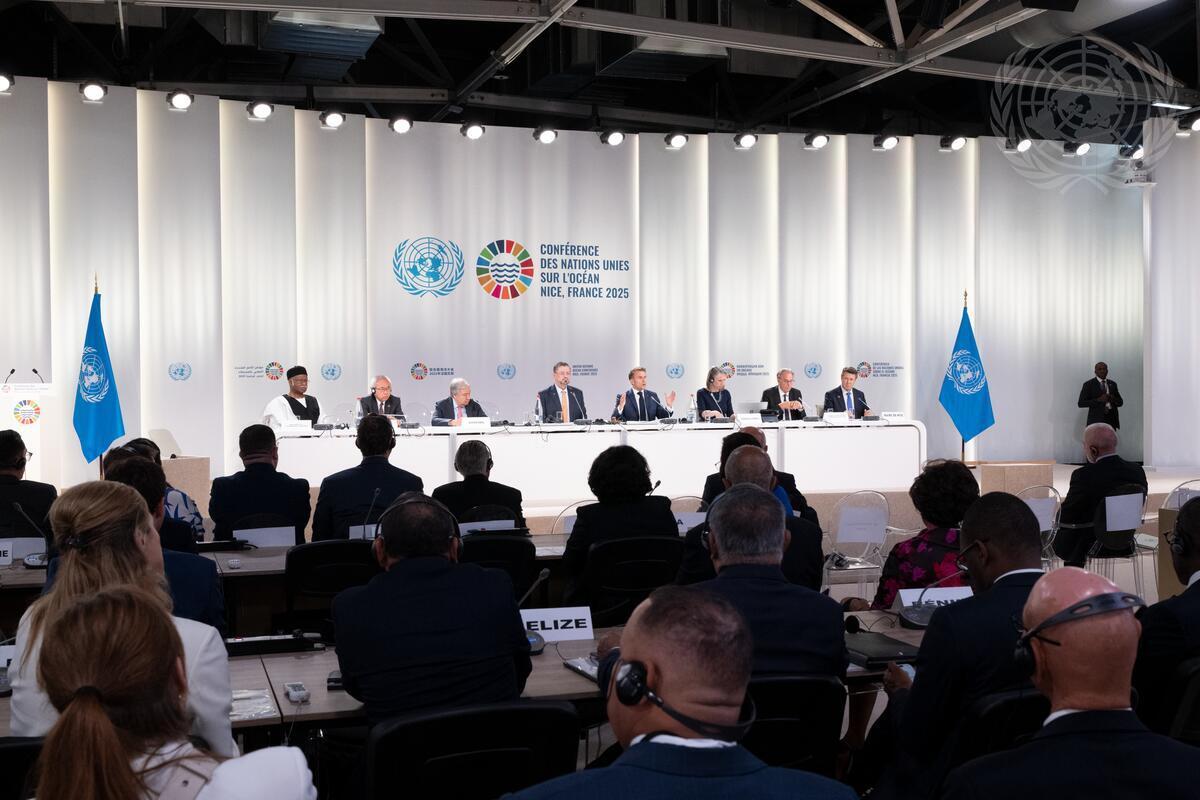
As global leaders convene for the UN Ocean Conference (UNOC) in Nice, France, our new report, The Ocean Protection Gap: Assessing Progress toward the 30×30 Target, has delivered a stark wake-up call: we are drastically underinvesting in ocean protection, with just $1.2 billion flowing annually into safeguarding the seas.
To deliver 30×30 in the ocean, we need more than $15.8 billion per year.
This “ocean protection gap” isn’t just a financial deficit; it’s a multi-dimensional challenge encompassing funding, ambition and implementation. And it is threatening the future of marine biodiversity, impacting coastal communities’ livelihoods and food security and exacerbating the impacts of climate change.
Closing these gaps would not only protect the ocean but present an opportunity to unlock $85 billion per year in annual returns and avoided costs by 2050. Through benefits such as safeguarding coastal communities, preserving and restoring carbon-sequestering ecosystems like seagrasses and reviving depleted fisheries, we can turn the tide and allow the ocean to thrive once again.
THE FINANCE GAP: AN INVESTMENT WITH MASSIVE RETURNS
The report reveals the harsh reality: the world is spending less than 10% of what’s needed annually to protect at least 30% of the ocean by 2030 (30×30). To put this into context, the $15.8 billion target is just a fraction of what’s spent globally on harmful fishing subsidies.
But it isn’t just about the numbers. Protecting and conserving the ocean is no longer just an ecological imperative, it’s an economic necessity. For $15.8 billion a year, we could avoid tens of billions in environmental and social costs while creating a sustainable, equitable and regenerative economy centered around healthy and thriving marine ecosystems.
Countries like Belize, Indonesia and Barbados are experimenting with innovative financing mechanisms such as blue bonds and debt-for-nature swaps that could unlock an additional $18 billion in capital for ocean protection. When grounded in equity, transparency, and inclusive governance, these mechanisms have the potential to unlock billions in capital for ocean protection – while also supporting the rights and well-being of coastal communities and Indigenous Peoples.
If just ten nations repurposed their fishing subsidies, the funding gap could be closed entirely.
Our message is clear: high-income nations must fulfil their promises to provide $30 billion annually in biodiversity finance to developing countries by 2030 and repurpose their fishing subsidies. On top of providing huge returns by avoiding environmental and social costs, this is an essential investment for the future of our planet and the community members whose lives and cultures depend on a thriving ocean.
THE IMPLEMENTATION GAP: BACKSLIDING AMIDST A CLIMATE CRISIS
The report reveals that progress on marine protection globally is too slow and at risk of stalling. Globally, while 8.6% of the ocean is reported as protected, only 2.7% is effectively safeguarded against harmful practices, and many marine protected areas (MPAs) are protected on paper alone.
This highlights a critical issue: paper promises mean little without real-world enforcement and management. The burden of conserving and protecting the ocean must also not fall disproportionately on the countries and communities most vulnerable to climate change and most dependent on a healthy marine environment.
The High Seas Treaty (BBNJ Agreement) represents a pivotal opportunity as it provides a mechanism to establish MPAs in areas beyond national jurisdiction. But with 29 ratifications still needed (at the time of writing) to reach the 60 required for the Treaty to enter into force, governments must act with urgency to bring this legal framework into reality.
THE AMBITION GAP: OCEAN COMMITMENTS FALL SHORT
While some countries like Palau and the United Kingdom have designated over 30% of their waters as protected, many others are falling short. Only a quarter of high-income coastal nations have established clear, time-bound marine protection targets aligned with the 30×30 goal. Without stronger leadership from these countries, global momentum will falter even further.
The report warns that ambition without action is hollow. We have the science, the tools and global agreements, but without bold political leadership and a rapid scaling of ambition, equitable financing and implementation, the promise of 30×30 will remain unfulfilled.
TURNING WORDS INTO ACTION, FOR THE OCEAN
The findings of this report are a direct call for governments heading into UNOC and beyond. Here are five priority actions that must be taken:
- Integrate ocean protection into national development plans: Recognize the ocean’s value not just in conservation but in economics, human rights, health and climate resilience. Countries must embed ocean conservation and protection into their Nationally Determined Contributions (NDCs), National Biodiversity Strategies (NBSAPs), and economic plans.
- Ratify key international agreements: Countries must swiftly ratify and implement the High Seas Treaty and the WTO Fisheries Subsidies Agreement, creating frameworks for banning harmful subsidies, managing high seas biodiversity and supporting equitable ocean governance.
- Set and deliver effective 30×30 targets: Commit to quality, effectiveness and equity, not just raw numbers. Transparent reporting and standardized data will keep countries accountable and drive progress.
- Mobilize and scale financing: From reforming harmful subsidies to scaling innovative and equitable financing tools governments and financial institutions must unlock billions in funding to protect the ocean.
- Center equity and inclusion: Indigenous Peoples and local communities are not just stakeholders; they are stewards of the ocean. Their knowledge, rights and leadership must be at the heart of marine protection efforts.
THE BOTTOM LINE: THE OCEAN CANNOT WAIT
The Ocean Protection Gap report delivers a stark but hopeful message: the ocean is in crisis, but we know what needs to be done and the benefits of action could be enormous. Governments must show bold leadership, scale ambition, fund efforts and implement and manage real-world protection.
This is not just about hitting a target. It’s about safeguarding food security, biodiversity, human rights and global economic stability. As we approach the UN Ocean Conference, the world must demand that governments step up and close these gaps before time runs out.
The ocean sustains us all. Now, we must sustain it.
The report is authored by Systemiq and produced in partnership with the Bloomberg Ocean Fund, SkyTruth, Marine Conservation Institute, Campaign for Nature, WWF International and RISE UP in association with the Together for the Ocean campaign.


About the authors
Pauli Merriman is the Head of Policy for WWF International's Global Oceans Practice, where she leads collaborative efforts across WWF’s global network and with external partners to advance a shared policy agenda and drive impactful ocean conservation at national, regional, and global levels. Her work spans a broad range of advocacy efforts to promote healthy and resilient ocean ecosystems for the benefit of people and nature.
Sivaja NairSivaja Nair is a social scientist working at the intersection of ocean governance, climate justice, and community rights. She focuses on advancing inclusive, rights-based approaches to marine protection and small-scale fisheries governance. Her work emphasizes the leadership of Indigenous Peoples, women, youth and local communities in achieving equitable and climate-resilient ocean futures.