Roots in Ocean Protection: How 30×30 Can Unlock a Thriving and Abundant Ocean
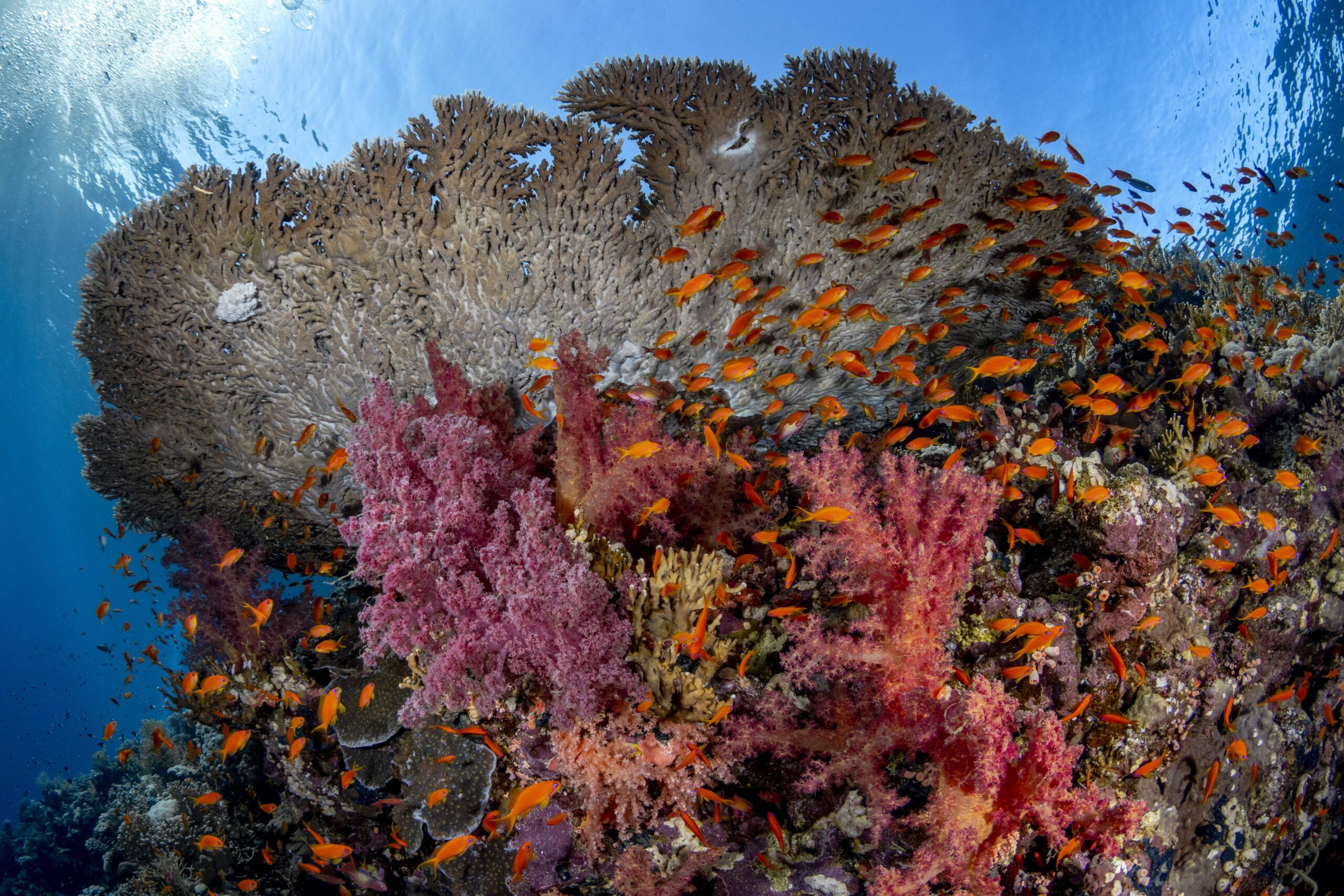
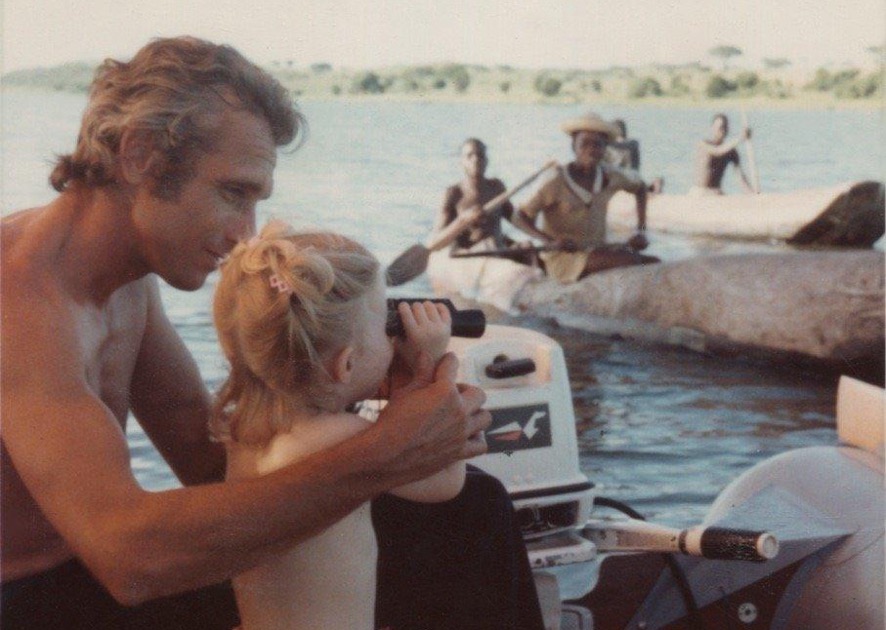
The ocean has always been home to me. As a child, my friends were the sea creatures that inhabited the rocky shores of southern France, and the ocean has guided my life ever since. By age seven, my grandfather — Captain Jacques-Yves Cousteau — introduced me to scuba diving, revealing a vibrant underwater world filled with color, movement, and life.
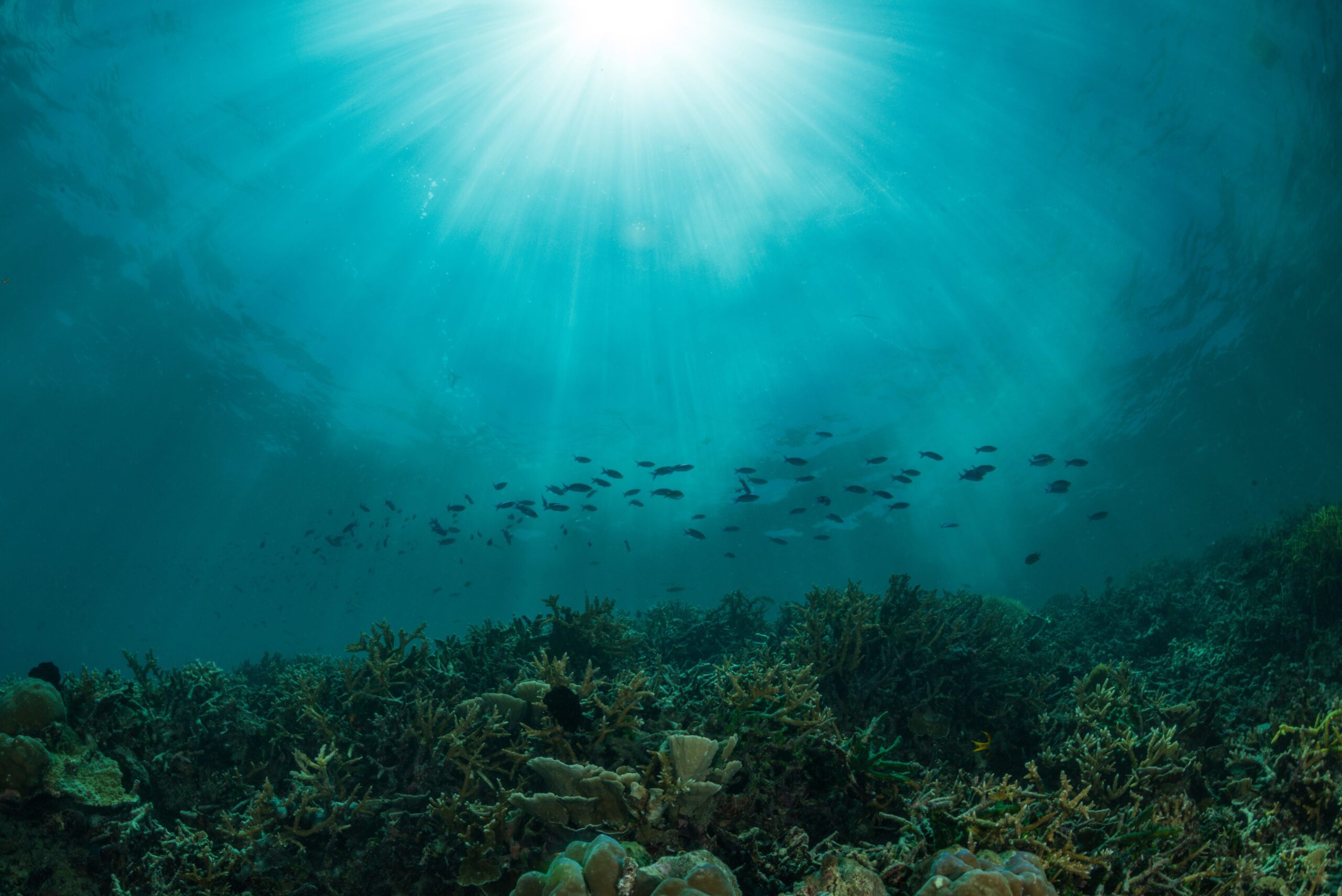
But in my lifetime, I’ve watched too much of that life vanish — the fish, whales, and vibrant reefs slowly disappearing. If we continue on our current path, my daughter’s generation risks inheriting an ocean on the brink of collapse: bleached reefs, depleted fish populations, and irreparably disrupted ecosystems. I worry they’ll be forced to write the ocean’s obituary. But I refuse to accept that future.
Fortunately, science offers hope, showing us clearly that we can restore ocean abundance within our lifetimes. The ocean has a remarkable ability to recover — if we give it the chance. But we must act now.
BORN INTO EXPLORATION AND OCEAN ADVOCACY
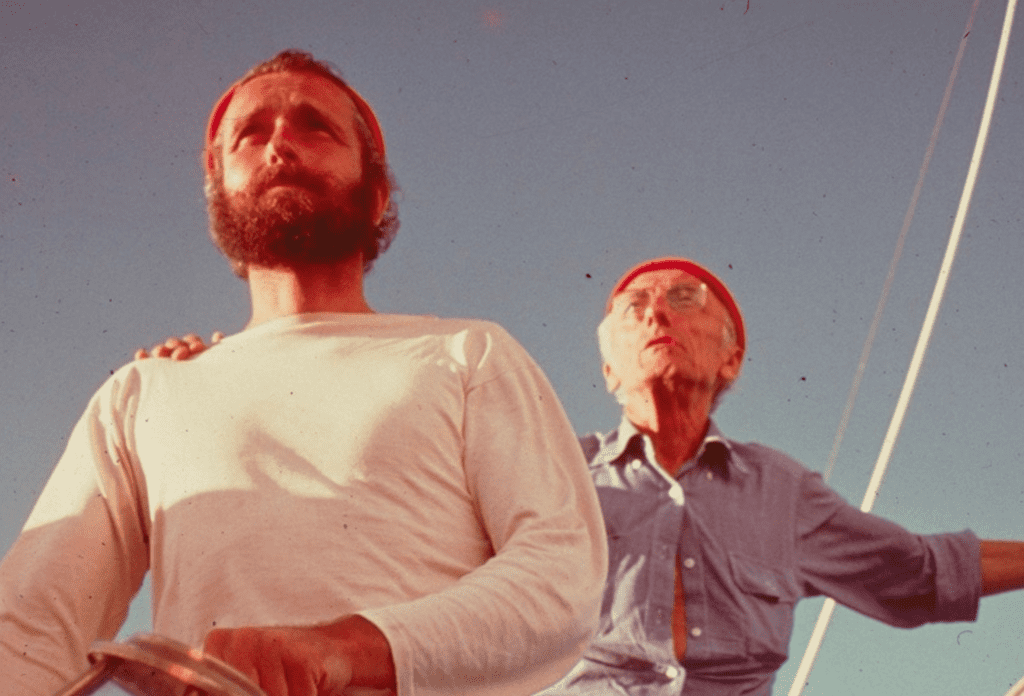
Like millions around the world, my family’s roots are deeply intertwined with the ocean. My grandfather was among the first to introduce the general public to the wonders beneath the waves, pioneering scuba diving, underwater cameras, and lighting systems. He brought an unseen world into homes everywhere. My father, Philippe Cousteau, witnessed these wonders begin to diminish and was among the first voices sounding the alarm, dedicating himself passionately to ocean conservation. His legacy continues to drive my family’s mission today.
I grew up immersed in their inspiring stories of the ocean’s magic. Yet, many of the places I cherished in my youth now barely resemble their former selves. Over the years, I’ve watched coral reefs bleach due to warming, acidifying waters. Coastal communities now face flooding, erosion, and dwindling fisheries. Pollution floods into our seas, choking marine ecosystems and putting wildlife in peril. Destructive fishing practices, including bottom trawling in supposedly protected areas, have pushed more than a third of global fish stocks to dangerously low levels.
My father taught me that ocean degradation is more than an environmental tragedy; it’s a human crisis. More than 775 million people depend directly on the ocean for coastal protection, nutrition, or income. Without a healthy ocean, their futures are at risk.
The good news is, there is still time to change course.
FROM OCEAN LEGACY TO OCEAN ACTION
Around the world, the name “Cousteau” symbolizes exploration, discovery, and safeguarding the natural world. My own early adventures alongside my grandfather and father deeply shaped my sense of purpose. Protecting and restoring the ocean has become my legacy.
Throughout my career, I’ve engaged in numerous conservation initiatives — from advocating for expanded marine protected areas and conducting deep-sea surveys to rescuing marine wildlife. Yet, I’ve realized that simply conserving what remains isn’t enough. We must actively restore what’s been lost.
That’s why I co-founded Oceans 2050 alongside renowned marine biologist Professor Carlos Duarte. Our mission is to transform the science of ocean restoration into concrete, scalable actions. Initiatives like our Global Seaweed Project demonstrate that large-scale ocean restoration can reverse damage, sequester carbon, and regenerate marine ecosystems.
But ocean restoration requires more than just individual initiatives; we need bold, unified commitments from governments, businesses, and communities worldwide. We cannot solve for exponential loss with incremental actions. Restoring ocean abundance demands global solutions and large-scale actions.
30X30: A DEFINING MOMENT FOR OCEAN PROTECTION
For decades, we’ve talked about protecting the ocean but talk alone won’t regenerate coral reefs or revive fish populations. Marine protected areas, sustainable fisheries, and effective policies are essential, but now it’s time to scale up.
The year 2025 will be pivotal for the ocean. We must urgently safeguard at least 30% of the ocean by 2030 — known as the 30×30 initiative. The ocean supports global food security and livelihoods for hundreds of millions, acts as our largest carbon sink, and serves as a critical ally in the climate crisis. Yet, only 8% of the ocean is currently protected, and even within these areas, destructive industrial activities often persist.
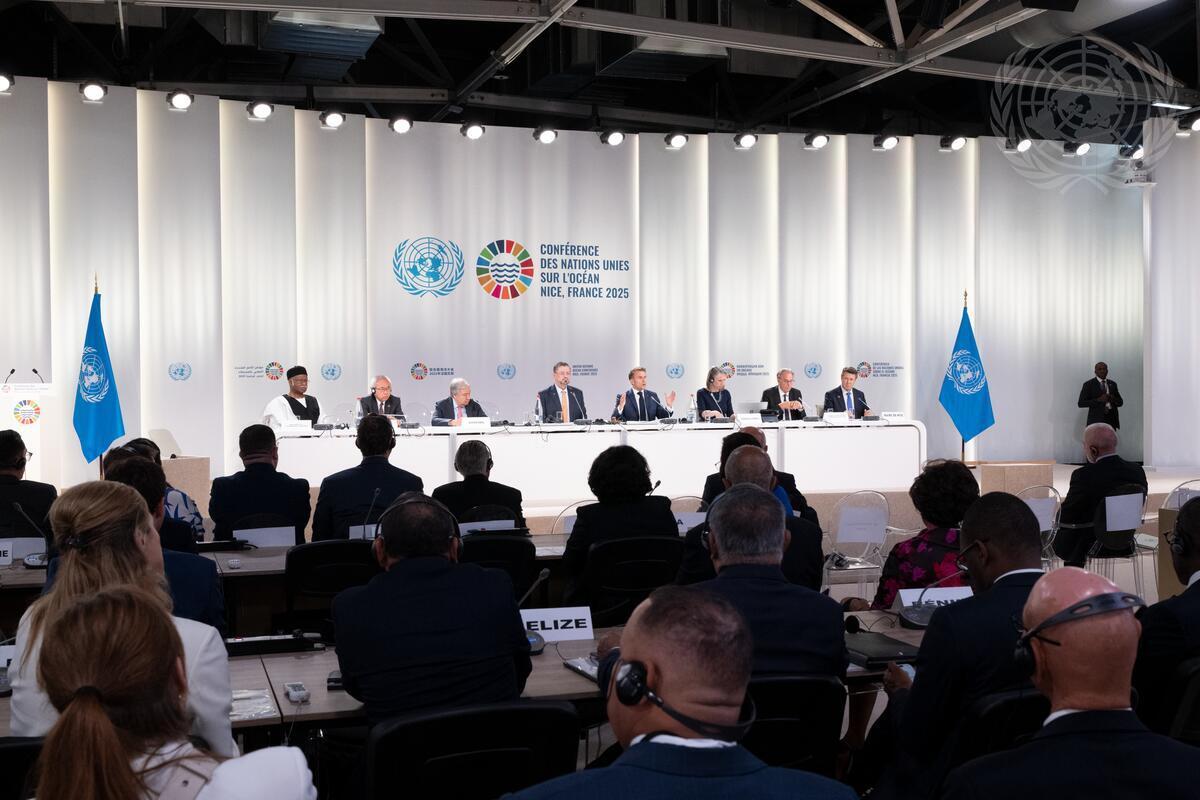
With the upcoming United Nations Ocean Conference (UNOC), world leaders will convene in France to make critical decisions about the ocean’s future. We must ensure the ratification of the High Seas Treaty, significantly expand marine protected areas, and end harmful practices like bottom trawling within those areas.
We also need sustainable investments — from funding ocean-based carbon sequestration projects (such as restoring mangroves, seagrass beds, and seaweed forests), to providing Indigenous communities direct access to marine conservation financing, to incentivizing regenerative ocean industries like sustainable seaweed farming and responsible fisheries.
The ocean cannot afford to wait. This is our moment to turn ambition into real protection.
THE OCEAN’S STORY IS STILL BEING WRITTEN
For generations, my family has shared the ocean’s story: my grandfather brought its wonders into our homes, and my father sounded the alarm as those wonders began to fade. Now, reflecting on our legacy, I often wonder: if my father were here today, what would he do? I believe he would push boundaries, embrace innovation, and refuse to accept inaction.
This is the challenge we all face today. We must advocate tirelessly for the ocean’s health because in doing so, we’re fighting for our planet’s future. We have a choice: do we allow the ocean’s decline to continue? Or do we act now to ensure a thriving ocean for future generations?
I envision a future where my children — and all children — can dive into vibrant waters teeming with life, swim alongside whales and turtles, and experience firsthand the wonder of an abundant ocean. That future remains within reach, but only if we commit to decisive action today.
Together, let’s restore the abundance of the ocean to ensure the prosperity, health, and happiness of generations yet to come.

About the author
Alexandra Cousteau, granddaughter of Jacques-Yves Cousteau, is an award-winning advocate for ocean restoration and abundance. As a leading figure in ocean activism, she collaborates with world leaders across sectors to influence, convene, and mobilize action to achieve measurable outcomes that will make the oceans more biodiverse and abundant. Cousteau is a Senior Advisor to Oceana, where she lends her environmental expertise and influence to help guide the organization’s global campaigns to protect and restore the world’s oceans.