UNOC: To Meet Global Ocean Ambitions, Fund Local Solutions
Coastal rural communities across the Global South are home to some of the world’s most climate vulnerable populations. They face diverse threats – from rising seas and extreme weather to declining fish stocks and habitat degradation – and often lack critical resources, tools, and the technical expertise needed to respond effectively. Compounding these challenges is the fact that most climate adaptation financing, resources, and available guidance prioritize major cities and metropolitan areas, leaving smaller cities and rural municipalities behind.
Yet these frontline communities also hold critical solutions. Their rich shoreline biodiversity, smaller geographic footprints, tightly woven social fabrics, and agile governance structures provide essential building blocks for resilience and effective adaptation.
Approximately 22 million square kilometers of territorial waters globally contain our most vital coastal habitats. They are home to mangrove forests that dot the coastlines of coastal nations, as well as vital seagrasses and coral reefs, which thrive in the shallow, well-lit waters just offshore. Importantly, nearly 500 million people directly depend on the small-scale fisheries within these areas,making our coastal communities critical agents of change.
Resilience is built from the ground up, with the most important decisions and interventions occurring at the local level. In coastal communities worldwide, effective local governance is key to protecting, restoring and sustainably using marine ecosystems and fisheries that underpin livelihoods, wellbeing, and food security, while building social, environmental, and economic resilience in a changing climate. Local action is not only where global commitments come to life – it is where adaptation must happen first, and fast.
Coastal 500 is the largest global network of mayors and local government leaders committed to thriving coastal communities across the Global South. We are united in taking action to recover and sustain near-shore seas, sharing best practices, learning from each other, and advocating for our constituents’ access to coastal fisheries. The coastal communities we represent are already piloting innovative and scalable solutions – what we need now is a path to accelerate and expand them.
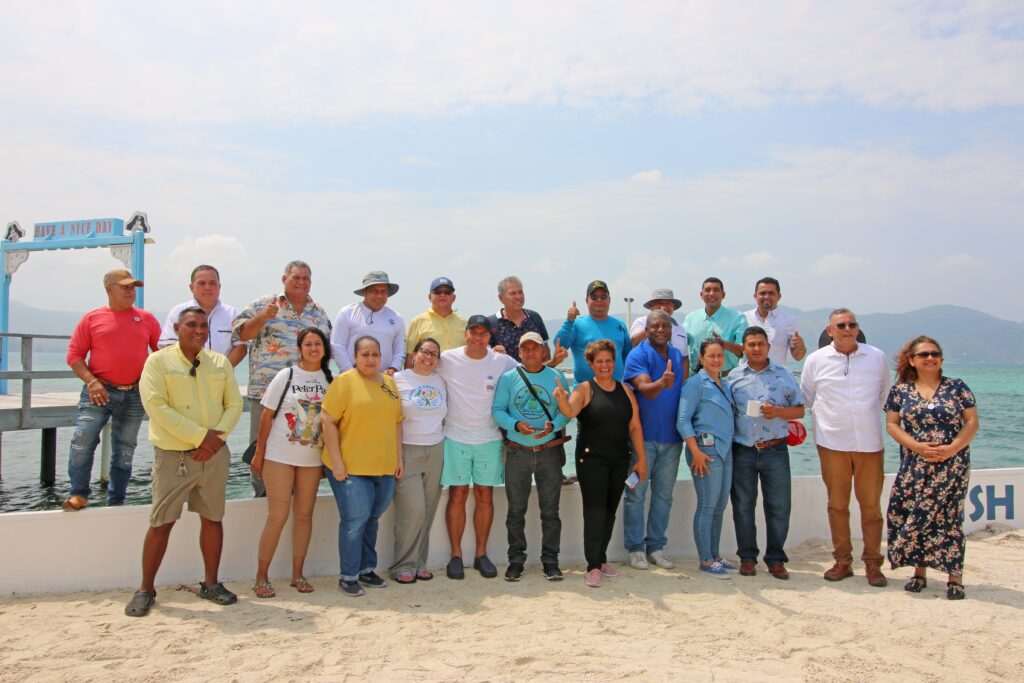
UNITED NATIONS OCEAN CONFERENCE: A SPOTLIGHT ON COASTAL COMMUNITIES
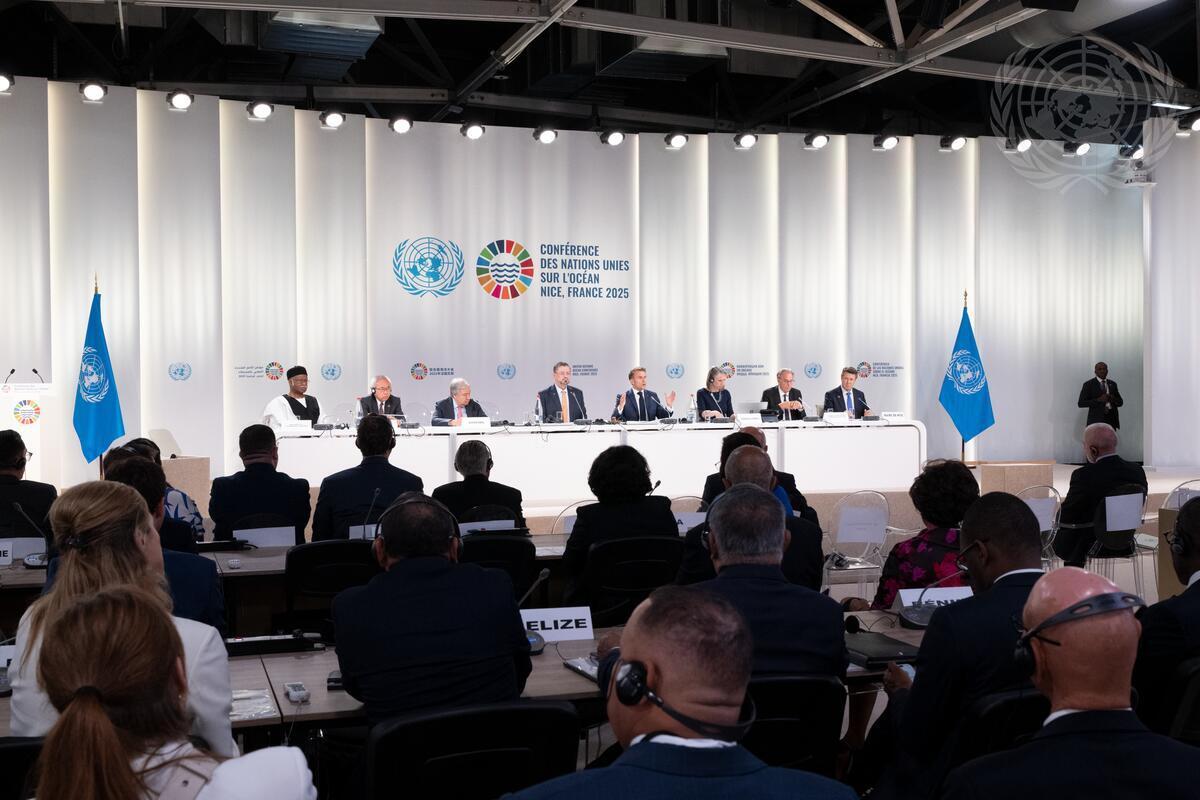
In June 2025, members of Coastal 500 will attend the United Nations Ocean Conference (UNOC) to elevate the voices of over 2.6 million people living along the coasts and bring our unique challenges and perspectives into the spotlight. As coastal municipal leaders, we understand the importance of coastal habitats for our communities and families. We are closest to our constituents’ needs, set local priorities, and can mobilize resources locally to drive change, making us essential partners in delivering global ocean and climate goals.
Our message is simple and urgent: Global and national marine conservation and climate resilience targets cannot be achieved without our collective engagement, commitment, and action. We call on the international community and national governments to recognize and empower local governments and communities as the first line of defense against climate threats. On behalf of our fellow Coastal 500 local leaders, we are urging for:
- Increased and diversified financing for local governments and frontline communities, along with strengthened capacity to access, absorb, and deploy funds effectively.
- Access to technical support, critical data, and proven practices from similar contexts to guide effective local interventions.
- Meaningful inclusion of local leaders and community perspectives in decision-making around national and global financing and the design and implementation of adaptation and ocean conservation initiatives that directly affect us.
- Creation and implementation of enabling legal and policy frameworks to secure local management rights over coastal and fishing resources so that local governments and communities can actively contribute to meeting global goals.
On behalf of our fellow Coastal 500 local leaders, we look forward to engaging with global policymakers, national government representatives, and civil society partners at UNOC to elevate this message and advance shared priorities. Together, we can accelerate local action, strengthen coastal resilience, and make real progress toward SDG 14 and a sustainable ocean future.
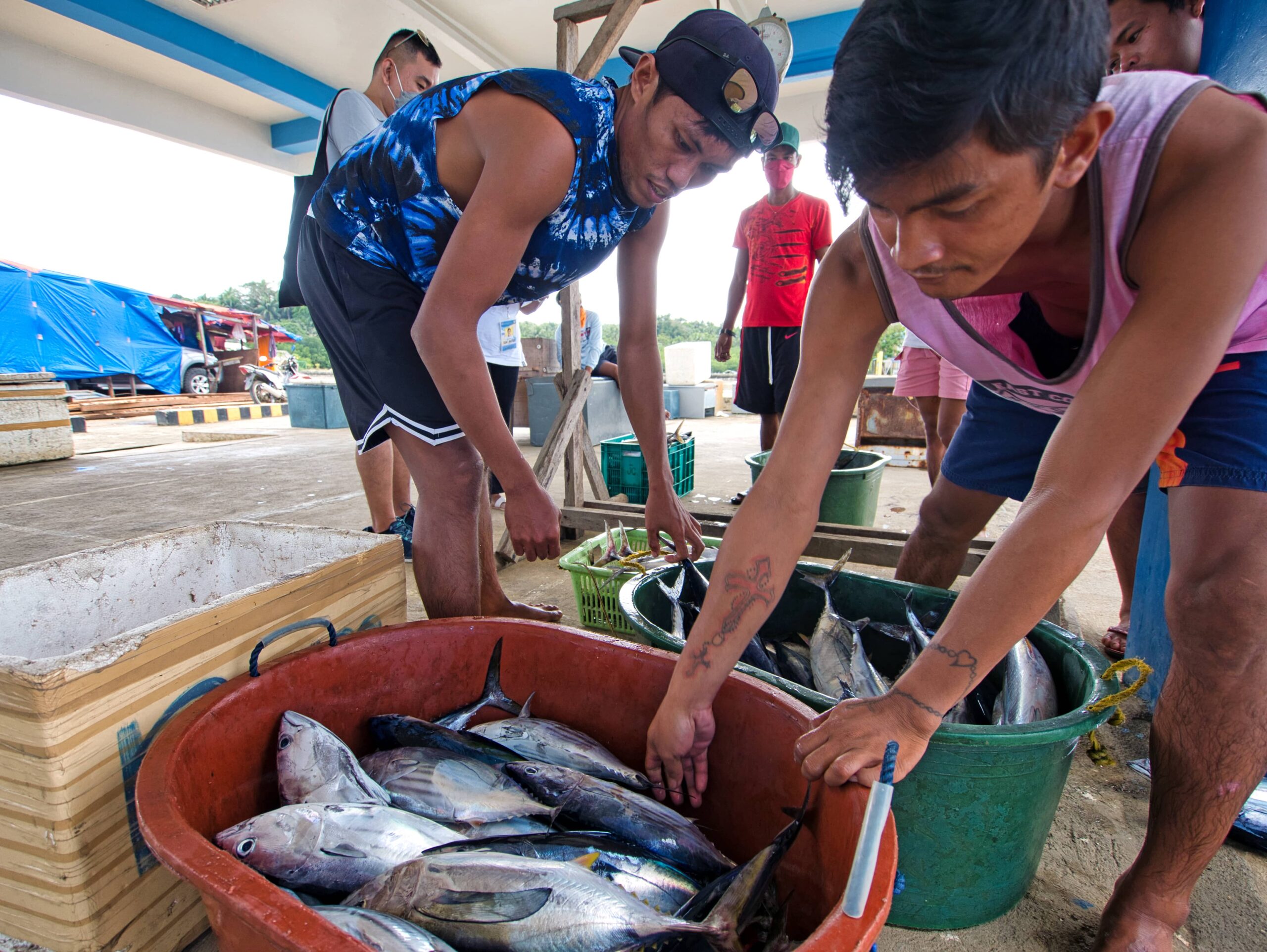
Header image: Local fishers sorting their catch. Santa Monica, Siargao Islands, Philippines. Photo Credit: Ferdz Decena for Rare.

About the authors
Drs. H. Bachrun Labuta, M.Si, currently serves as the Regent (Bupati) of Muna Regency, Southeast Sulawesi, Indonesia, for the 2025–2030 term. Regent Bachrun Labuta has demonstrated a strong commitment to coastal and marine conservation, advancing several sustainable development initiatives in agriculture, fisheries, and livestock, while emphasizing community-based approaches.
Mayor Alfredo Coro II.Alfredo Coro II. has served as the Mayor of Del Carmen, Siargao Islands, in Philippines since 2010. Under his leadership, Del Carmen’s mangrove forests have become globally recognized for their ecological and economic impact, protecting communities from storm surges while supporting sustainable livelihoods.
Hamilton BritoHamilton Brito has been the Mayor of Curuçá, Pará, Brazil since January 2025. Mayor Brito’s administration is part of the shared management of the RESEX (Extractive Reserve) and contributed to the development of the reserve’s Management Plan.