Vessel Tracking: How Digital Technology Can Help Protect 30% of the Ocean by 2030
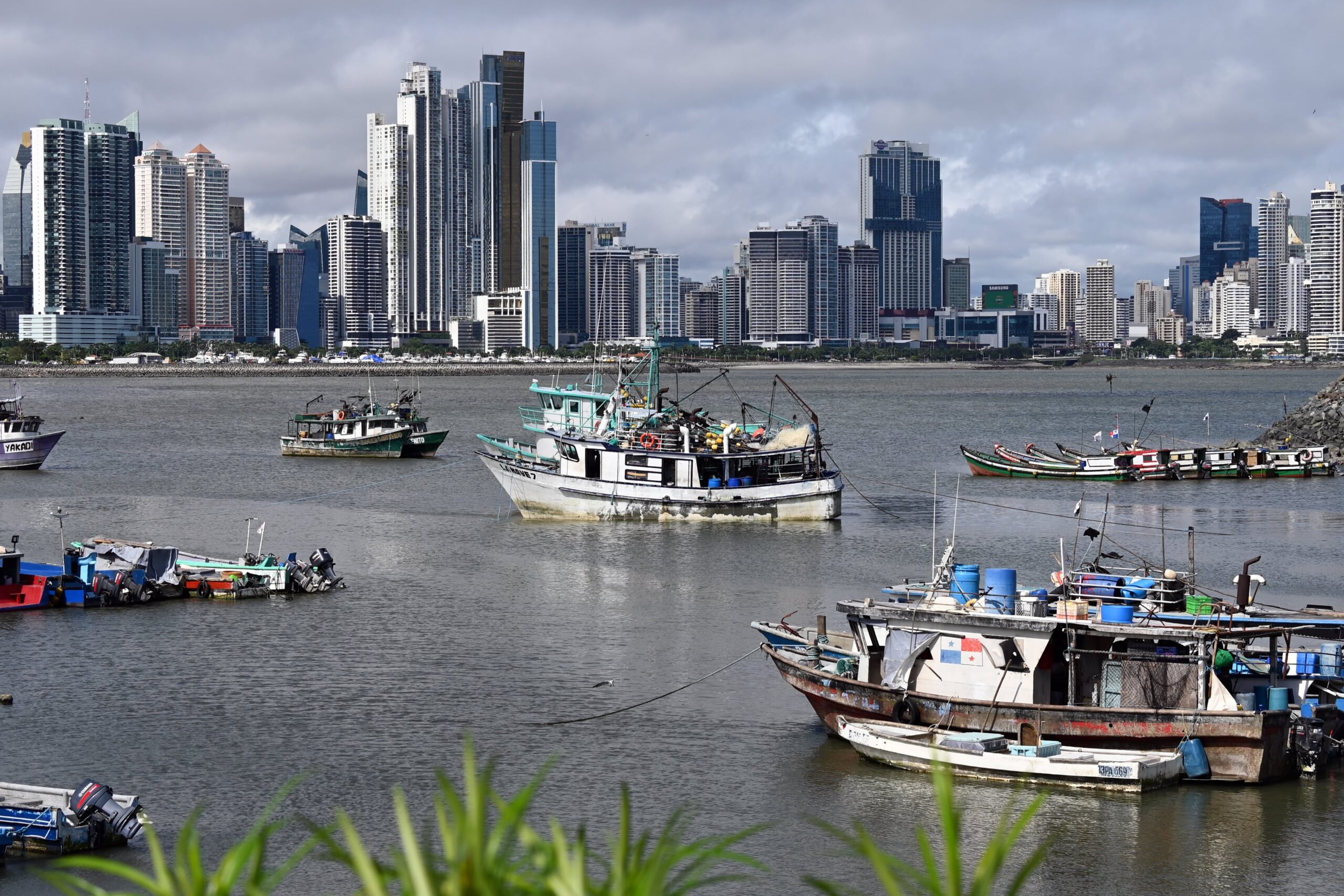
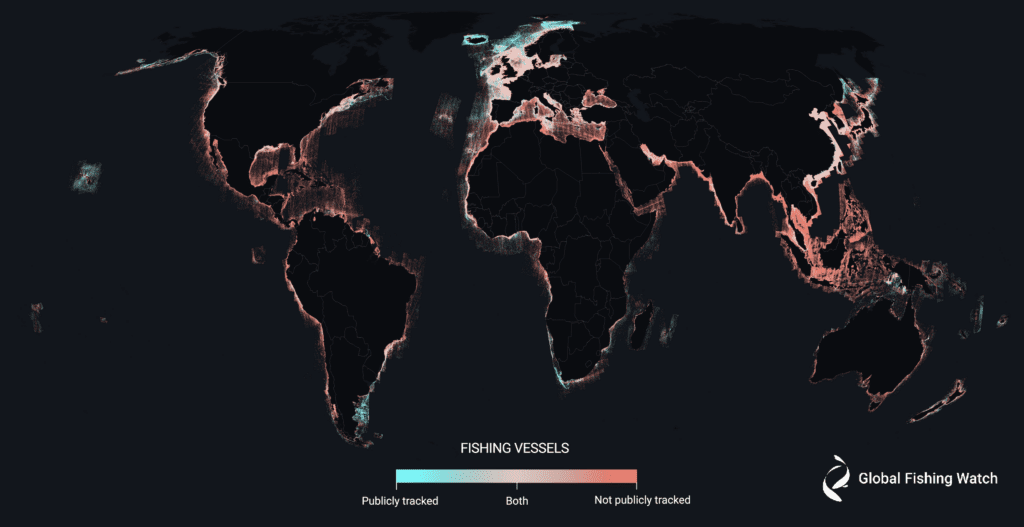
The ocean is vital to life on Earth. And yet, much of what happens at sea remains hidden from view. A landmark study released by Global Fishing Watch in 2024 revealed that about 75% of industrial fishing vessels do not appear in public vessel monitoring systems. This extraordinary blind spot puts the ocean at significant risk for illegal, unreported and unregulated fishing, environmental destruction and human rights abuses. That is why this year’s focus on digital oceans at the 10th Our Ocean Conference in Busan, Republic of Korea, is so critical. Today’s advances in technology mean that the ocean is in the throes of a digital revolution — a transformation towards an open and transparent commons that can finally help us visualize the entirety of human activity at sea. Technological breakthroughs such as satellites, artificial intelligence and open data are helping us map more of the ocean than ever before. But, despite this unprecedented visibility into human activity at sea, significant gaps in vessel tracking remain.
THE ROLE OF VESSEL TRACKING IN ACHIEVING 30X30 IN THE OCEAN
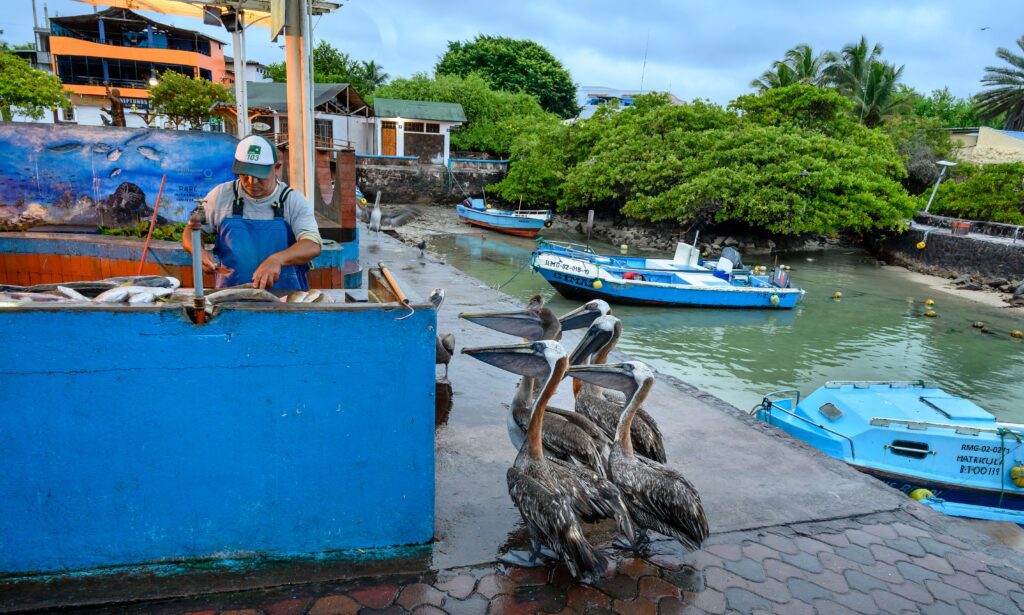
Vessel tracking plays a vital role in helping governments sustainably manage fisheries, support artisanal fishers and ensure marine protected areas (MPAs) are indeed protected. As more protected and conserved areas are designated across the world in pursuit of ambitious 30×30 goals, we must equip authorities with the right tools to successfully monitor them and properly enforce the rules. Without vessel tracking technology and the ability to track vessels in near real time, authorities are left chasing shadows, unable to conduct effective patrols or enforce laws. Protecting the future of the ocean depends not just on technology but also on the right policy frameworks and legislation to support its implementation.
The root problem is that the current global system of vessel tracking is fragmented. Developed in an ad hoc manner over time by a patchwork of States, regional fisheries management organizations (RFMOs) and international bodies, vessel tracking regulations are inconsistently applied and sometimes not even implemented. In fact, only 2% of the world’s roughly 2.9 million fishing vessels are currently equipped with an automatic identification system (AIS) — one of the prominent technologies used for tracking industrial-sized fishing vessels. This is despite the fact these vessels are responsible for over half of the fishing effort that takes place more than 100 nautical miles from shore and as much as 80% of fishing on the high seas. This inconsistency in vessel tracking fuels a regulatory void, undermining effective fisheries management, preventing due diligence in supply chains, threatening biodiversity and compromising fisher safety.
A CALL TO ACTION FOR OUR OCEAN CONFERENCE AND BEYOND
The good news is that we have the tools and technology to change this. But first we need governments everywhere to make public vessel tracking the norm rather than the exception. In Busan, Global Fishing Watch is urging States to support the establishment of a binding international agreement – as well as compatible national and regional measures – that requires fishing vessels operating outside of their flag State’s waters to be publicly tracked. With the 10th Our Ocean Conference marking a shift from commitments to action, we need governments to accept that digital technology makes the difference between success and failure. And we can’t afford to fail.
The digital revolution is just the first part of our journey towards achieving an open ocean. It is now upon governments to leverage cutting-edge tools and cultivate new policies that seize upon this technology for the better. A binding vessel tracking agreement is one critical step in that direction. It is only by embracing technology and committing to transparency that we will achieve 30×30 and ensure the ocean is healthy, resilient and resourceful for years to come.


About the authors
As chief executive officer of Global Fishing Watch, Tony Long brings a wealth of maritime security, conservation and leadership experience to his role. Before joining Global Fishing Watch in 2017, he directed The Pew Charitable Trusts’ global campaign to end illegal fishing, leveraging an ambitious combination of policy, technology and enforcement tools. Long joined the nonprofit sector after 27 years with the British Royal Navy where he commanded HMS BLYTH and HMS MONMOUTH. He later taught at the Defence Academy of the United Kingdom and provided planning and policy support to the head of the Navy and government ministers.
Paolo DomondonPaolo Domondon leads Global Fishing Watch’s global program team and policy initiatives, collaborating with governments and agencies around the world to advance ocean governance through increased transparency of fishing and other human activity at sea. Prior to joining Global Fishing Watch, Domondon served as the senior director of policy and partnerships at Rare, a global nonprofit organization dedicated to shifting practices and behaviors to protect the planet. Throughout his career, Domondon has worked to advance environmental and social justice issues spanning good governance, sustainable fisheries and a healthy ocean, biodiversity and climate change.
Related content
 Investing in Climate-Resilient Reefs as a Strategy for Coral Survival and Achieving 30×30
 From Words to Waves: Can Promises from UNOC3 Turn into Lasting Change for our Blue Planet?
 Ocean protection: closing the gaps for finance, ambition and implementation
Share this article
using #ForTheOcean